






Why Weight Fluctuates Day to Day
Weight fluctuations can feel confusing when the scale changes overnight. You may eat normally, step on the scale the next morning, and see a number that feels higher than expected.
This article explains why weight fluctuates, what daily scale changes usually mean, why women may notice them more, and when weight changes deserve professional attention.
SlimAI Calorie Tracker helps users work toward weight management with AI Calorie Tracker, Macro Tracker, Custom Calorie Goals, Flexible Food Logging, and Progress, Streaks & Back-Date Logging. These features can support pattern awareness instead of one-day scale panic.
What is weight fluctuation?
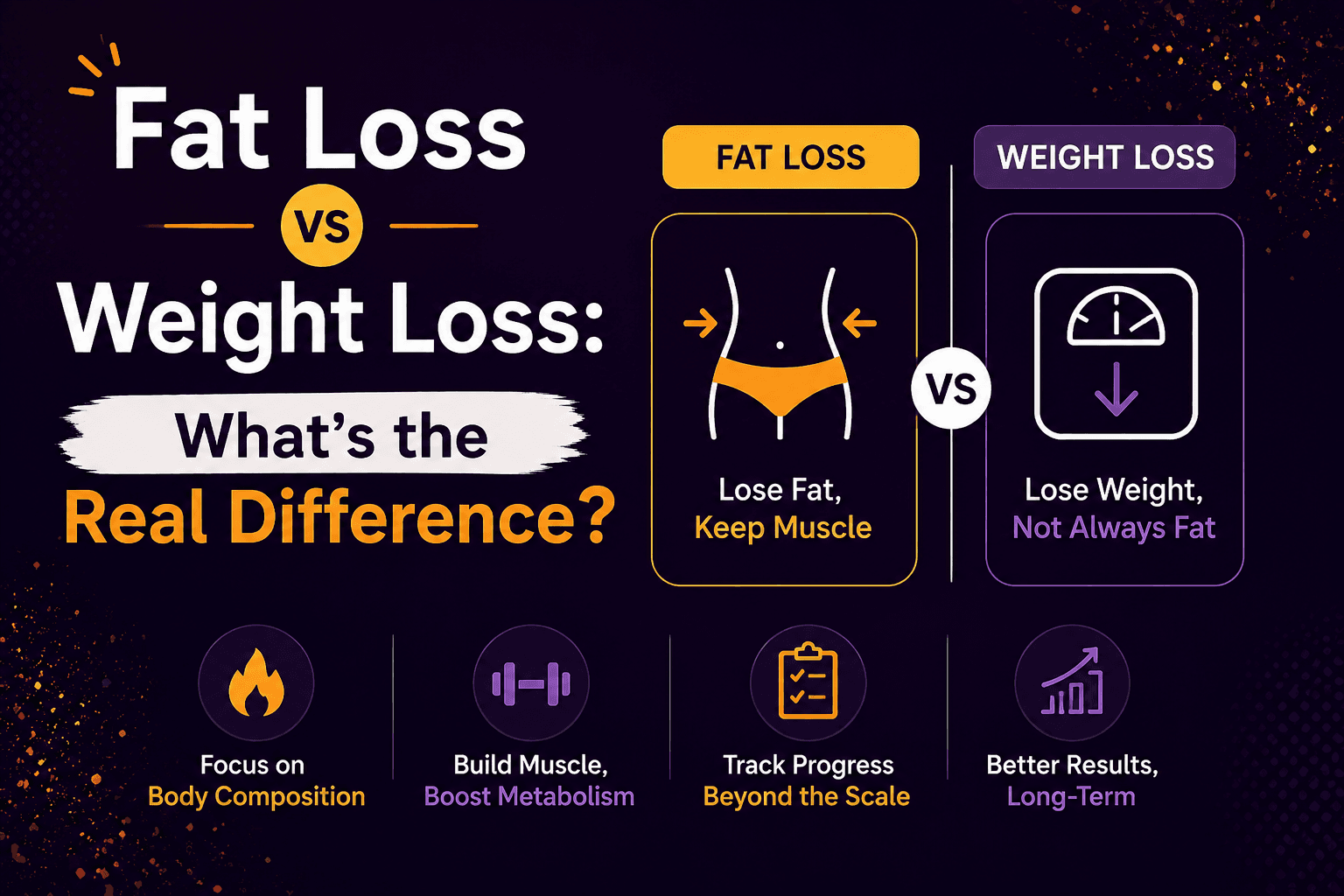
Weight fluctuation is a normal change in scale weight caused by short-term shifts in water, digestion, hormones, food volume, sodium intake, activity, or routine. Why weight fluctuates is different from why body fat changes, because scale weight can move before body composition changes.
SlimAI Calorie Tracker supports weight-pattern awareness through Progress, Streaks & Back-Date Logging and Flexible Food Logging, helping users compare scale changes with meals, workouts, and routine patterns over time.
Why does your weight fluctuate day to day?
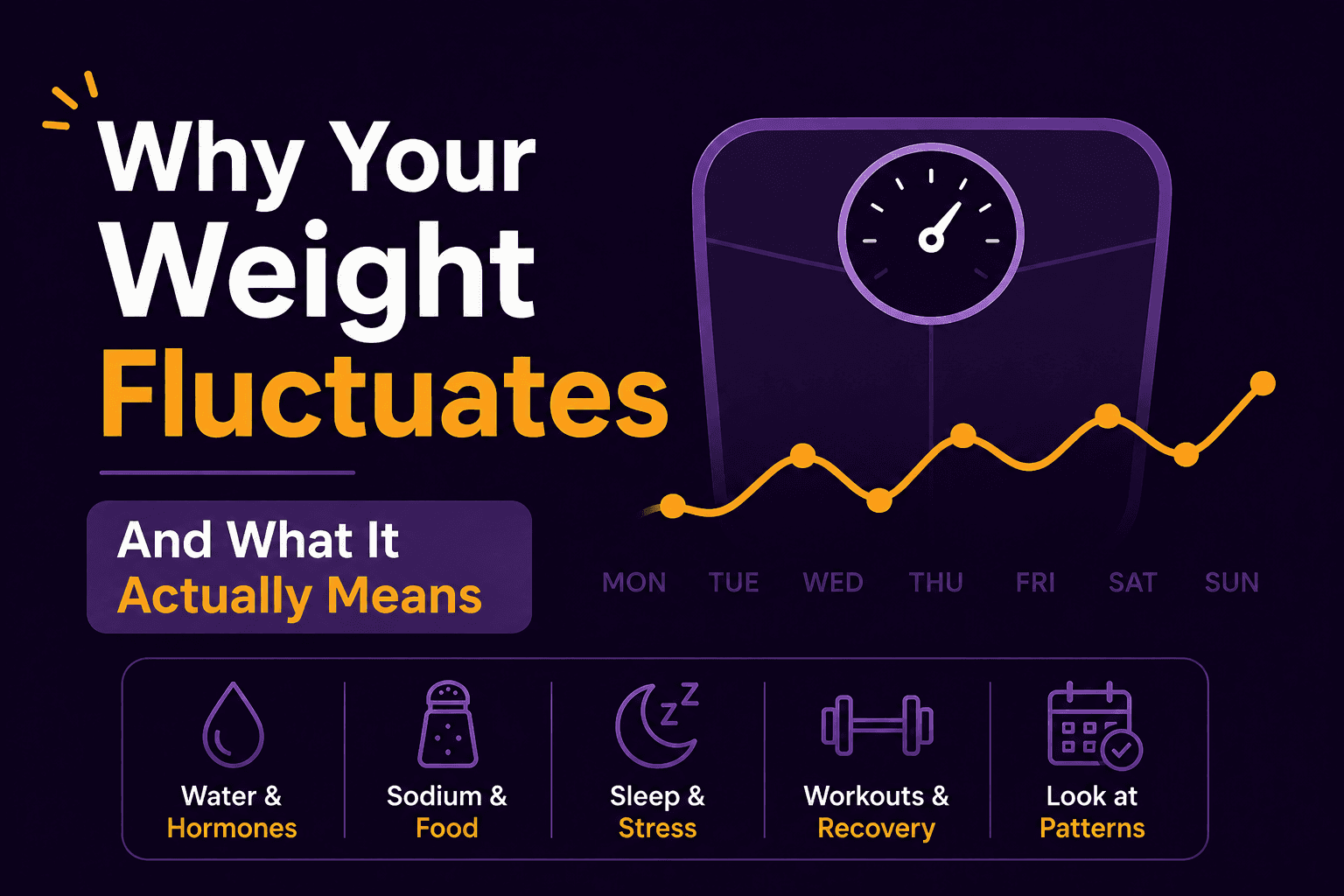
Your weight fluctuates day to day because your body is constantly managing fluid, food, waste, hormones, and recovery.
A salty meal can increase water retention. The American Heart Association explains that excess sodium can cause water retention, puffiness, bloating, and weight gain.
Food volume also matters. A late dinner, larger meal, constipation, or slower digestion can make the scale read higher the next morning.
Workouts can also affect short-term weight. After hard training, your body may hold water during recovery. That temporary change is not the same as sudden fat gain.
Sleep disruption, travel, alcohol, and stress can also shift eating patterns, hydration, and digestion. That is why one weigh-in should be treated as a snapshot, not a full progress report.
The better question is not “Why did my weight change today?” It is “What does the pattern show across the week?”
What do most people get wrong about weight fluctuation?
They assume one higher weigh-in means fat gain
One higher weigh-in does not automatically mean fat gain. Fat change usually reflects longer-term energy balance, while daily scale weight can change from water, sodium, digestion, hormones, and food volume.
A one-day increase should not become a reason to panic or abandon your routine.
They treat one lower weigh-in as guaranteed fat loss
A lower number can feel encouraging, but it may also reflect less food volume, lower sodium, dehydration, or a bathroom change. That does not make it meaningless, but it should be read in context.
A weekly trend is more useful than one low number.
They change their plan too quickly
Reacting to every scale movement can lead to unnecessary restriction, extra workouts, or stress. If the routine is mostly consistent, wait for a pattern before making changes.
Weight tracking works better when it informs decisions instead of controlling emotions.
What actually works for reading weight fluctuations?
The most useful approach is to track weight consistently and interpret it alongside habits, not emotions.
Weigh under similar conditions when possible. For many people, that means the same scale, similar time of day, and similar routine. A weekly average can be more useful than one daily number because it reduces noise from water, digestion, sodium, and hormones.
Look for context. Did you eat a saltier meal? Did you train harder? Are you near your period? Did sleep change? Did medication change? Did stress affect appetite or routine?
If your weight change is rapid, unexplained, persistent, or paired with symptoms, do not treat it as a tracking problem. NIDDK lists diabetes symptoms that can include increased thirst, urination, fatigue, hunger, and unexplained weight loss.
If you notice unusual swelling, shortness of breath, missed periods, strong thirst, frequent urination, severe fatigue, persistent bloating, or unexplained weight change, speak with a qualified clinician.
How SlimAI Calorie Tracker helps with weight fluctuations
SlimAI Calorie Tracker helps with weight fluctuations by giving you more context around the scale. If the number changes suddenly, SlimAI can help you review meals, calories, macros, activity, hydration habits, and progress patterns instead of reacting to one weigh-in.
Flexible Food Logging supports day-to-day tracking through Type to Add, Voice to Log, Camera Scan, Gallery Upload, Food Database Search, Recent Foods, Saved Foods, Diet Plan Logging, Meal Suggestions, and Back-Date Logging.
Macro Tracker can help you compare calorie and macro patterns with weight trends. Progress, Streaks & Back-Date Logging can help you review longer-term patterns instead of judging one morning.
AI calorie estimates can vary because of portion size, ingredients, sauces, cooking methods, and serving size. SlimAI reduces this friction with Ingredient Editing and Serving Size Guidance, helping users adjust entries closer to what they actually ate.
Explore the most relevant feature: /features/progress-streaks-back-date-logging
What can cause weight fluctuation in women?
Menstrual-cycle changes can affect water and bloating
Women may notice weight fluctuation more because menstrual-cycle changes can affect bloating, appetite, digestion, and water balance. NHS guidance notes that period-related bloating is common, and cycle-related symptoms can vary from person to person.
The scale may rise before or around a period and settle later. That does not automatically mean fat gain.
PCOS can make weight management more complicated
PCOS can affect weight for some people. WHO describes PCOS as a hormonal disorder linked with irregular periods, abnormal ovulation, excess facial or body hair, acne, and infertility. Johns Hopkins Medicine also lists weight gain among possible PCOS symptoms.
If weight changes come with irregular periods, acne, excess hair growth, or fertility concerns, professional assessment matters.
Age and life stage can change the pattern
Weight fluctuation can feel different across life stages. In your late teens or 20s, changes in schedule, sleep, school, stress, and activity can affect scale weight.
In your 30s and early 40s, stress, pregnancy or postpartum changes, PCOS, sleep, medications, or early perimenopause may affect patterns. NHS guidance states that one of the first signs of perimenopause is usually a change to periods.
That does not mean age automatically causes unhealthy weight change. It means the context around weight often changes.
What health and medication factors can affect weight?
Diabetes can cause unexplained weight changes
Diabetes can be linked with weight changes. NIDDK lists diabetes symptoms including increased thirst and urination, fatigue, hunger, and unexplained weight loss.
Weight change with strong thirst, frequent urination, fatigue, blurred vision, or unexplained loss should not be treated as a calorie-tracking issue only.
Some medications can affect weight or fluid balance
Medication changes can affect weight for some people. Mayo Clinic states that weight gain is a possible side effect of nearly all antidepressants, while individual responses vary. Mayo Clinic also notes that SSRIs may cause appetite changes that can lead to weight loss or weight gain.
Some contraceptive methods may also be associated with reported weight changes, though evidence varies by method. NHS notes weight gain as a reported side effect for some contraceptive options.
Do not stop or change prescribed medication because of weight changes without speaking to the prescribing clinician.
Mental health can affect appetite and routine
Anxiety, depression, stress, and low mood can affect appetite, sleep, activity, meal timing, and food choices. Some people eat less during stress. Others eat more or lose structure around meals.
If weight change is tied to bingeing, purging, severe restriction, or obsessive scale checking, professional support is important. Food and weight distress should be treated as a health concern, not a discipline problem.
What should you do when your weight changes suddenly?
Check the last 48 hours before assuming fat gain
Look at sodium, carbohydrates, alcohol, food volume, late meals, workouts, travel, sleep, and stress. These short-term factors can shift the scale before body fat meaningfully changes.
Compare today with your weekly average
One weigh-in can be noisy. A weekly average gives a calmer view of the trend. If the average is stable, one spike may not require any change.
Track meals and symptoms together
If weight changes happen often, track meals, workouts, water, sleep, cycle timing, and symptoms. This helps you notice patterns that a single scale number cannot explain.
Know when to involve a professional
Speak to a clinician if weight change is rapid, unexplained, persistent, or paired with swelling, shortness of breath, missed periods, extreme thirst, frequent urination, severe fatigue, or persistent bloating.