



How to Build a Calorie Tracking Habit That Actually Lasts
Most people do not quit calorie tracking because they are lazy. They quit because the habit feels too hard to repeat.
You download a calorie tracking app, log a few meals, and feel motivated for the first day or two. Then real life happens. Logging takes too long. You forget one meal. You are not sure about portion sizes. The app starts feeling like another task instead of a tool that helps you.
That is not a willpower problem. It is a friction problem.
A lasting calorie tracking habit is built by making the behavior smaller, easier, and more connected to your normal routine. The goal is not perfect tracking. The goal is consistent awareness.
SlimAI Calorie Tracker is an AI-powered calorie, macro, meal, fitness, and habit-tracking app that helps users track calories, macros, workouts, water, fasting, steps, and progress in one connected routine. SlimAI is built for people who want food tracking to feel faster, clearer, and less strict.
This guide explains why calorie tracking habits fail, how habit psychology works, and how to make food logging easier to repeat.
Download SlimAI Calorie Tracker and start building a smarter food tracking routine.
What Is a Calorie Tracking Habit?
A calorie tracking habit is the routine of regularly logging meals, calories, macros, and related behaviors so you can understand your food patterns over time.
It is not about judging every bite. It is not about eating perfectly. It is about creating awareness.
When you track consistently, you start seeing patterns:
- which meals keep you full
- where extra calories come from
- whether you are getting enough protein
- how your food choices fit your calorie goal
- how your workouts, water, steps, and fasting routine connect with progress
Calorie tracking becomes more useful when it feels like information, not punishment.
A good tracking habit should help you answer one simple question: what is happening in my routine, and what can I adjust?
Why Do Calorie Tracking Habits Fail?
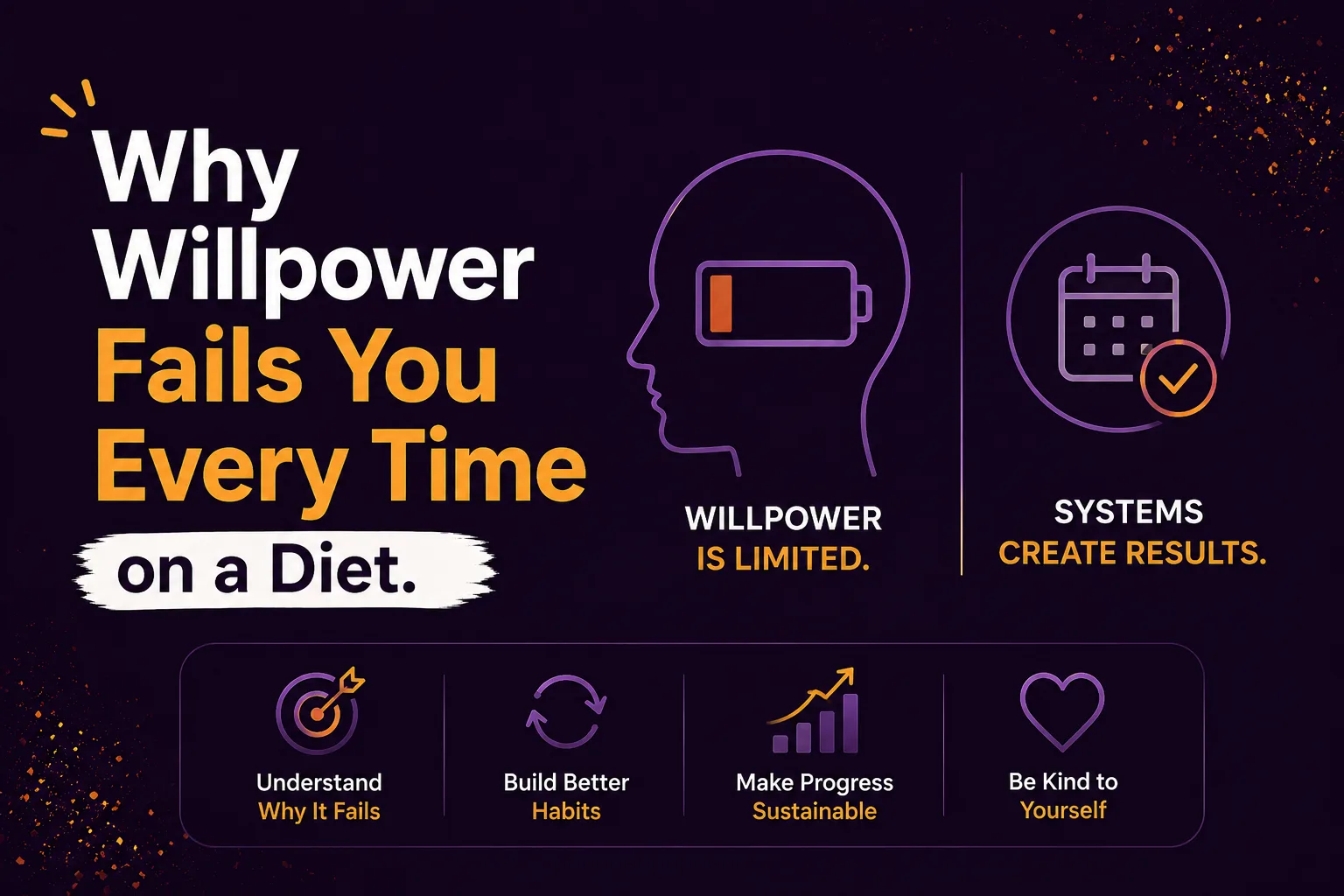
Most calorie tracking habits fail because the system asks for too much too soon.
People often try to track every meal perfectly from day one. They search every ingredient, worry about exact portions, and feel guilty when they miss an entry. That creates pressure, and pressure makes the habit harder to repeat.
Behavior design research from BJ Fogg’s model explains that behavior depends on motivation, ability, and a prompt happening at the same time. When a behavior is too difficult, it needs more motivation to happen. When motivation drops, the behavior usually disappears. His model emphasizes making behaviors easier so they can happen consistently.Stanford Behavior Design Lab — Fogg Behavior Model
This is why calorie tracking should start small.
A habit that takes 30 seconds is easier to repeat than one that feels like homework. A logged estimate is more useful than a perfect entry you never make.
The goal is to reduce the effort required to start.
Why Calorie Tracking Is Not About Restriction
Calorie tracking is often misunderstood as restriction.
Many people think tracking means they have to label foods as good or bad, avoid meals they enjoy, or follow strict rules every day. That mindset makes tracking feel stressful.
At its best, calorie tracking is about awareness.
A systematic review by Burke et al. describes self-monitoring as central to behavioral weight-loss interventions, including diet, exercise, and self-weighing. The value comes from noticing patterns and adjusting behavior, not from perfection.
Tracking can help users understand:
- how meals fit into daily calories
- whether protein intake is consistent
- which habits support progress
- when portion sizes are larger than expected
- how workouts and movement affect the bigger picture
SlimAI is built around that same idea. Food logging should create clarity, not guilt.
Eat smarter, not stricter.
How Habit Psychology Applies to Calorie Tracking
Every habit needs a trigger, a behavior, and a reward.
Charles Duhigg popularized the habit loop as cue, routine, and reward. In calorie tracking, the cue might be mealtime. The routine is logging the meal. The reward is clarity: knowing how that meal fits into your day.
The problem is that weight loss or body-composition progress is delayed. You may log meals today, but the scale may not change tomorrow. That delay makes the habit harder to reinforce.
So the reward cannot only be weight loss.
The reward should be more immediate:
- seeing your calorie balance
- completing a daily log
- understanding your macros
- keeping a streak
- knowing what to adjust
- reviewing weekly progress
SlimAI supports this by giving users visible feedback through the calorie dashboard, Macro Tracker, Progress, and Insights. Instead of waiting weeks to feel progress, users can see daily and weekly patterns sooner.
What Actually Makes Calorie Tracking Easier to Repeat?
A calorie tracking habit becomes easier when the process is simple, flexible, and forgiving.
The most effective tracking routine is not the strictest one. It is the one you can repeat when your day is busy, your meal is homemade, or you forget to log something immediately.
A practical calorie tracking habit should have five parts:
- Start with one easy behavior.
- Connect tracking to an existing routine.
- Use quick logging methods.
- Review progress without guilt.
- Adjust instead of quitting.
A mobile-app dietary self-monitoring study in Obesity Science & Practice found that consistent and frequent app-based dietary self-monitoring was associated with short-term weight loss, where consistency simply meant recording food intake on at least three days a week. The important lesson is not that tracking must be perfect. It is that consistency matters.
SlimAI helps reduce tracking friction by giving users multiple ways to log meals, including meal scanning, Voice Logging, Type to Log, Food Database Search, Recent Foods, and Saved Foods.
SlimAI Premium includes unlimited scans, Voice Logging / Speak and Get Your Recipe, Type to Log, priority access to new SlimAI features, and support from a SlimAI representative.
Step 1: Start Smaller Than You Think You Should
Do not try to track every meal perfectly on day one.
Start with one meal.
Breakfast is often a good starting point because it usually happens around the same time each day. Log breakfast for one week. Once that feels normal, add lunch. Then add dinner. Then add snacks.
This works because small habits require less motivation.
A realistic first-week goal might be:
- log breakfast every day
- review calories once per day
- track protein at one meal
- edit one meal entry if needed
- check Progress and Insights at the end of the week
That may sound too easy, but that is the point.
A habit that feels easy is more likely to survive. Step 2: Attach Tracking to an Existing Habit
Habit stacking means connecting a new behavior to something you already do.
Instead of saying, “I will remember to log my meals,” use a clear trigger.
Examples:
- After I make coffee, I log breakfast.
- After I finish lunch, I scan my meal.
- After dinner, I review my calorie dashboard.
- After my workout, I log activity.
- Every Sunday evening, I review Progress and Insights.
This removes the need to rely on memory alone.
Calorie tracking becomes easier when it is tied to a moment that already exists in your day.
SlimAI fits this approach because users can log meals in different ways depending on the situation. If scanning is easiest, use meal scanning. If speaking is faster, use Voice Logging. If you want more control, use Type to Log or Food Database Search.
The right method is the one you will actually use
Step 3: Choose Consistency Over Perfect Accuracy
Perfect tracking is not the goal.
A reasonable estimate logged today is more useful than a perfect entry you avoid because it feels too hard.
Food tracking will always involve some uncertainty, especially with homemade meals, restaurant food, mixed dishes, sauces, oils, and custom portions. AI calorie estimates can also vary because portion size, ingredients, cooking methods, sauces, and serving size affect results.
That is why SlimAI includes Ingredient Editing and Serving Size Guidance.
These features let users adjust ingredients and portions after logging so calories and macros can move closer to what they actually ate.
The habit becomes stronger when users stop thinking:
“I do not know the exact number, so I should skip logging.”
and start thinking:
“I can log a useful estimate and adjust it.”
That shift is important. Tracking is about awareness over time, not one perfect entry.
Step 4: Use a Calorie Tracker That Reduces Friction
The tool matters.
If the app makes logging slow, users will eventually skip entries. If the dashboard feels confusing, users will stop checking it. If editing meals is difficult, homemade food becomes frustrating to track.
A good calorie tracking app should reduce effort.
SlimAI helps users track food and habits through:
- AI-powered food logging
- meal scanning
- Custom Calorie Goals
- calorie dashboard
- consumed, burned, and remaining calories
- Macro Tracker
- Ingredient Editing
- Serving Size Guidance
- breakfast, lunch, dinner, and snack logging
- local, homemade, restaurant, mixed, and desi food logging
- Workout Tracking
- Water Tracking
- Fasting Tracking
- Step Counter Tracking
- Progress and Insights
This matters because the easier the tool feels, the more likely the habit is to continue.
For users who track regularly, SlimAI Premium can reduce even more friction with unlimited scans, Voice Logging / Speak and Get Your Recipe, Type to Log, priority feature access, and support from a SlimAI representative.
Step 5: Celebrate Small Wins Before Big Results
The reward has to come before major results.
If you only celebrate when the scale changes, the habit becomes harder to maintain. Weight can fluctuate for many reasons, including water, digestion, sodium, training stress, and routine changes.
Instead, celebrate the behaviors that prove the habit is forming.
Small wins include:
- logging one meal
- completing a 3-day tracking streak
- editing a meal entry more accurately
- checking macros after lunch
- drinking enough water
- reviewing Progress and Insights
- tracking workouts for the week
These wins matter because they build identity.
You stop thinking, “I am trying to track.”
You start thinking, “I am someone who checks my food routine.”
That identity shift helps the habit become more natural.
What Happens After You Track Calories Consistently?
After a few weeks of consistent tracking, calorie tracking often starts to feel less emotional and more practical.
Food decisions become easier because you have more information.
Instead of asking:
“Is this bad?”
you start asking:
“How does this fit into my day?”
That is a healthier and more flexible question.
You may start noticing:
- which meals keep you full
- when you usually go over your calorie target
- whether protein is too low
- how workouts affect hunger
- how water, steps, and sleep connect to consistency
- whether weekends look different from weekdays
SlimAI’s Progress and Insights help users review these patterns over time. The point is not to judge one meal or one day. The point is to understand the routine.
Tracking should help users make better decisions with less stress.
How SlimAI Helps Build a Calorie Tracking Habit
SlimAI Calorie Tracker helps users build a calorie tracking habit by reducing the friction that usually makes people quit.
Instead of forcing users into one logging method, SlimAI supports multiple options:
- scan meals
- use Voice Logging / Speak and Get Your Recipe
- Type to Log
- search the food database
- use Recent Foods or Saved Foods
- edit ingredients and serving sizes
SlimAI also connects food logging with the rest of the routine:
- Custom Calorie Goals
- Macro Tracker
- Workout Tracking
- Water Tracking
- Fasting Tracking
- Step Counter Tracking
- Progress and Insights
This makes it easier to see tracking as part of daily life, not a separate chore.
SlimAI does not guarantee weight loss or provide medical advice. It helps users track habits, calories, macros, meals, activity, and progress so they can understand their routine more clearly.
Eat smarter, not stricter.
Common Mistakes to Avoid When Building a Calorie Tracking Habit
Mistake 1: Trying to track everything perfectly
Perfect tracking usually creates pressure. Start with one meal, then build from there.
Mistake 2: Quitting after one missed day
One missed day does not erase the habit. Return to the next meal instead of restarting next Monday.
Mistake 3: Ignoring portions
Portions affect calorie and macro estimates. Use Ingredient Editing and Serving Size Guidance to adjust entries when needed.
Mistake 4: Only tracking calories
Calories matter, but macros give more context. Protein, carbs, and fats help users understand meal balance.
Mistake 5: Waiting for weight loss to feel rewarded
Celebrate the habit itself. Logging, reviewing, and adjusting are signs of progress even before the scale changes.
Conclusion: How to Build a Calorie Tracking Habit
Building a calorie tracking habit that lasts starts with making the behavior easy enough to repeat.
You do not need to log every meal perfectly from day one. Start with one meal, connect tracking to a routine you already have, and focus on consistency before precision. A tracking habit becomes easier when it gives you useful feedback quickly and does not make food feel restrictive.
SlimAI Calorie Tracker supports that process by helping users log meals faster, review calories and macros, edit ingredients and serving sizes, track workouts, monitor water, fasting, and steps, and review Progress and Insights over time.
A calorie tracking habit should not make nutrition feel harder. It should make your next decision clearer.
Download SlimAI Calorie Tracker and start building a smarter food tracking routine.
Sources and References
- **Stanford Behavior Design Lab — Fogg Behavior Model ** https://behaviordesign.stanford.edu/resources/fogg-behavior-model
- **Burke et al. — Self-Monitoring in Weight Loss: A Systematic Review ** https://pmc.ncbi.nlm.nih.gov/articles/PMC3268700/
- **Payne et al. — Adherence to Mobile-App-Based Dietary Self-Monitoring and Weight Loss ** https://pmc.ncbi.nlm.nih.gov/articles/PMC9159560/