



How to Choose a Realistic Weight Loss Goal That Works
A realistic weight loss goal is not the most dramatic goal you can imagine. It is the goal you can measure, repeat, and follow long enough to see real progress.
Many people start with a number they want to reach quickly. They choose a deadline, cut calories aggressively, and expect the scale to move in a straight line. But weight management rarely works that neatly. Real life includes busy days, social meals, water changes, stress, sleep changes, and weeks where progress is slower than expected.
A better approach is to choose a weight loss goal that is specific, realistic, and connected to daily habits.
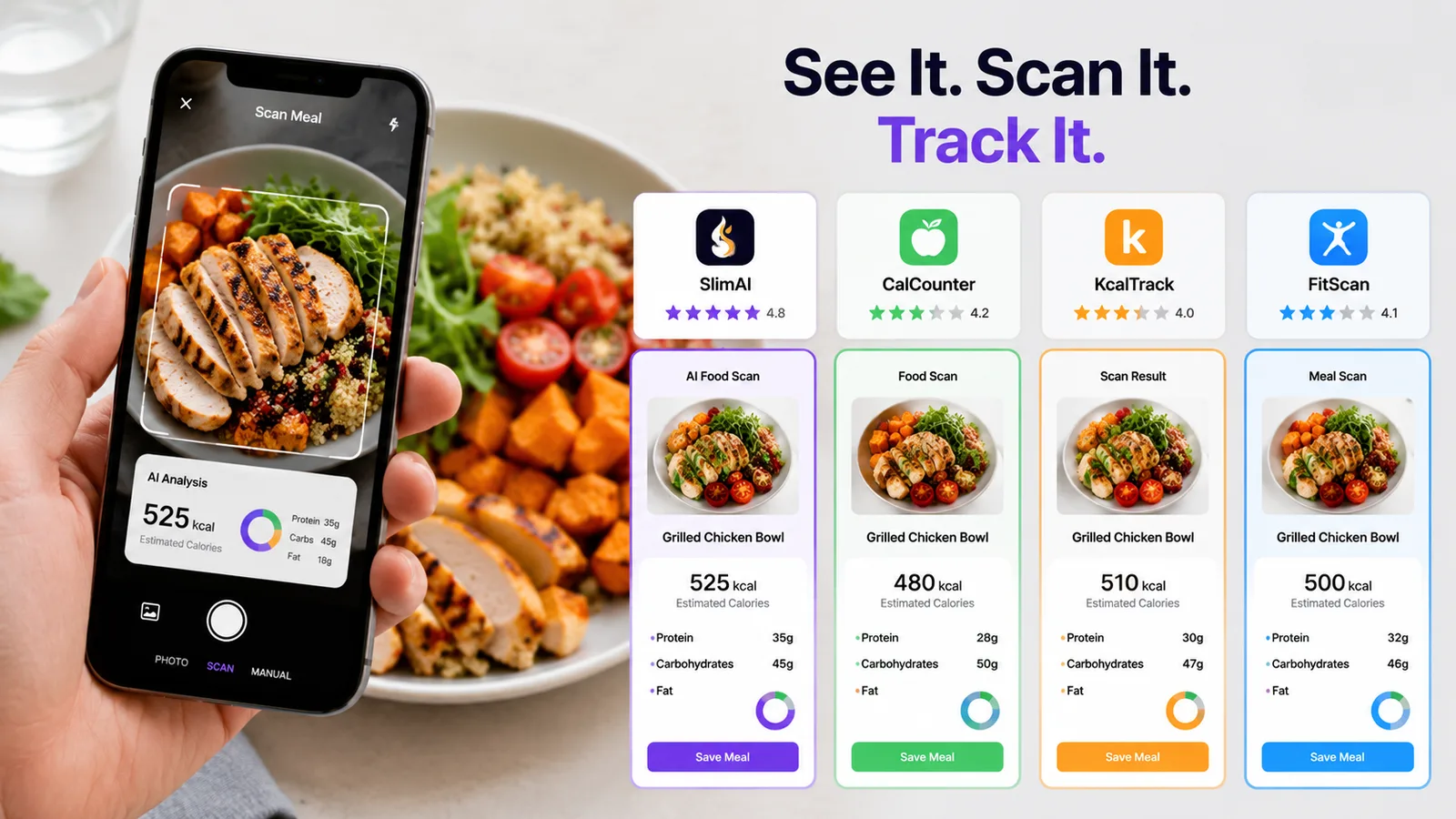
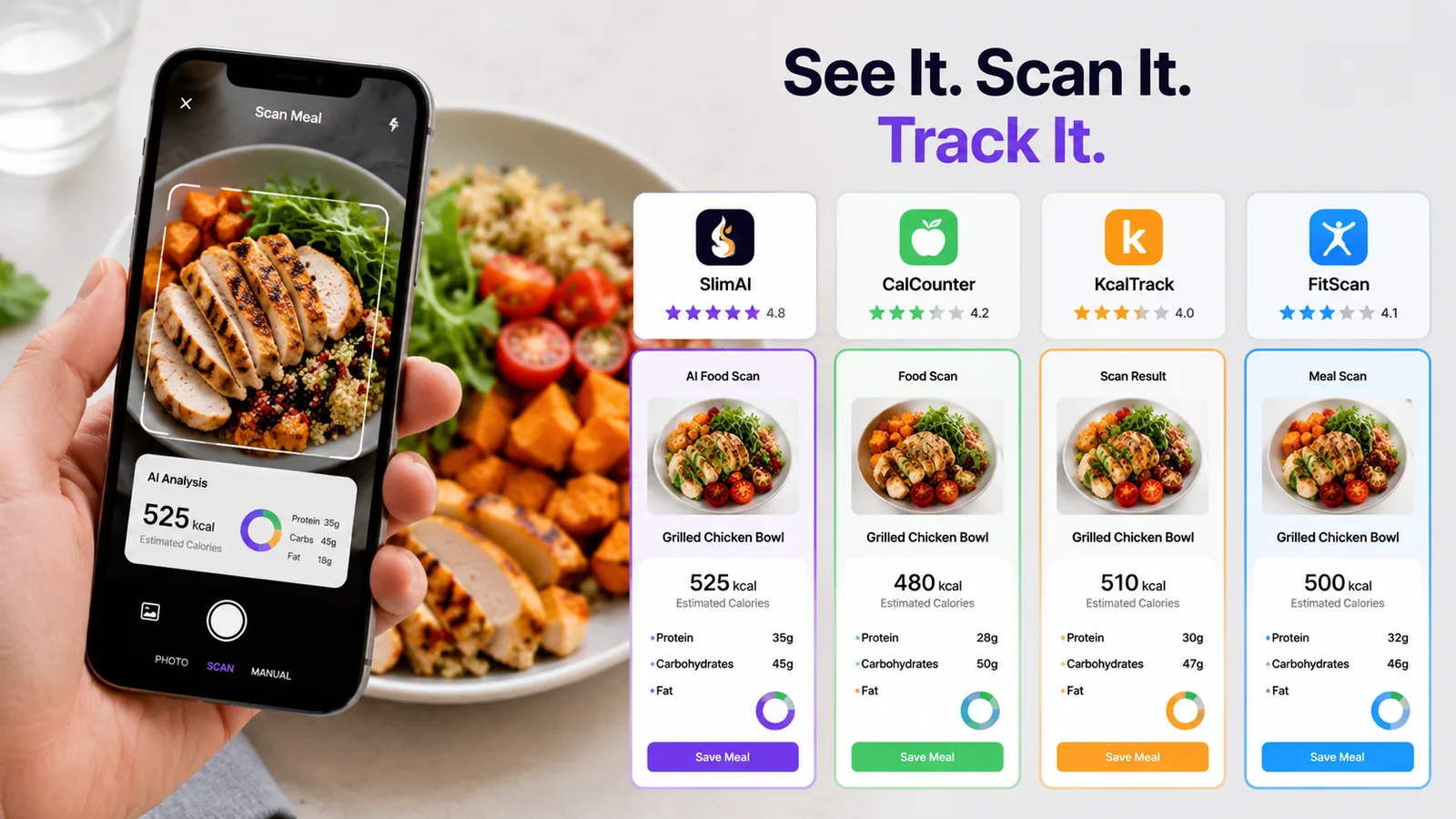
SlimAI Calorie Tracker is an AI-powered food logging and weight-management app that helps users track calories, macros, workouts, water, fasting, steps, and progress in one connected routine. SlimAI is built for people who want calorie clarity without making food tracking feel stricter.
This article explains how to choose a weight loss goal that is realistic, measurable, and easier to follow over time.
Download SlimAI Calorie Tracker and start building a smarter food tracking routine.
What Is a Realistic Weight Loss Goal?
A realistic weight loss goal is a target that is specific, measurable, and sustainable enough to follow for weeks or months.
It should answer three questions:
- What result are you trying to reach?
- How long will you give yourself?
- What daily or weekly behaviors will support that result?
For example, “I want to lose weight fast” is not a clear goal. It does not explain how much weight, by when, or what routine will support it.
A stronger goal would be:
“I want to lose 8 to 12 pounds over the next 3 months by tracking meals 5 days per week, walking most days, and reviewing progress every Sunday.”
That goal is more useful because it gives you a target and a process.
A realistic goal does not need to be perfect. It needs to be clear enough to guide your next decision.
Why Do Most Weight Loss Goals Fail?
Most weight loss goals fail because they are built from frustration instead of a system.
People often choose a number because they feel impatient, uncomfortable, or pressured by comparison. Then they try to force their routine to match that number, even if the plan is too aggressive for their lifestyle.
That usually creates a pattern:
- start very strict
- lose motivation quickly
- miss a few days
- feel like the plan failed
- restart again later
The problem is not always willpower. Often, the goal was too vague, too aggressive, or too disconnected from daily life.
A realistic weight loss goal should survive normal routines. It should still work on busy workdays, family meals, weekends, and weeks when progress is slower than expected.
The goal is not to create pressure. The goal is to create direction.
What Makes a Weight Loss Goal Realistic?
A realistic weight loss goal has three parts: a time frame, a measurable target, and a repeatable process.
1. A clear time frame
A goal needs a timeline. Without a time frame, it becomes difficult to know whether your plan is working.
Examples:
- 4 weeks
- 3 months
- 6 months
- 12 weeks
Shorter timelines can help with focus, but longer timelines usually give a more realistic picture of progress.
2. A measurable target
A measurable target gives you something to review.
Examples:
- lose 5% of starting body weight
- lose 4 to 8 pounds in a month
- reduce waist measurement over 12 weeks
- track meals 5 days per week
- complete 3 workouts per week
Scale weight can be one measure, but it should not be the only one.
3. A process you can repeat
This is the most important part.
A goal is only realistic if the process is repeatable. If your plan only works when life is perfectly calm, it is probably too fragile.
A repeatable process may include meal tracking, regular movement, protein awareness, hydration, sleep, and weekly progress review.
What Is a Healthy Rate of Weight Loss?
For many adults, a gradual pace is more realistic than an extreme one.
NHS guidance recommends aiming to lose 1 to 2 lbs, or 0.5 to 1 kg, a week. NIDDK also explains that experts recommend an initial weight-loss goal of 5% to 10% of your starting weight within 6 months. The British Dietetic Association gives similar guidance, describing a weight loss of between 5-10% over three to six months, or one to two pounds a week, as realistic and achievable. The Academy of Nutrition and Dietetics’ adult weight-management guidance frames a realistic goal as up to two pounds per week or up to 10% of baseline body weight, dropping to 3% to 5% of baseline weight where cardiovascular risk factors are present.
That means realistic progress is usually built from steady weeks, not dramatic days.
A healthy rate of weight loss can still vary depending on starting weight, health history, activity, sleep, nutrition, and medical context. Users with medical conditions, pregnancy, eating disorder history, or complex health needs should seek professional guidance before choosing a weight-loss target.
The key idea is simple: your goal should be safe enough and realistic enough to repeat.
Realistic Weight Loss Goals by Timeline
Different timelines need different expectations. A weekly goal, monthly goal, 3-month goal, and 6-month goal should not all be treated the same.
Realistic weight loss goals for a week
A realistic weekly goal is usually modest.
For many people, the useful target is not only scale change. It may be:
- track meals 5 days this week
- walk 20 to 30 minutes most days
- hit a protein target most days
- drink more water
- review calorie balance at the end of the week
- aim for about 0.5 to 1 kg of progress if appropriate
Weekly weight can fluctuate, so behavior goals are often more reliable than scale goals alone.
Realistic weight loss goals per month
Monthly goals are better for spotting patterns.
Examples:
- lose 4 to 8 pounds if that pace fits your starting point
- track meals most weekdays
- complete 10 to 12 workouts in the month
- reduce late-night snacking
- review calorie and macro trends weekly
A month is long enough to notice consistency but short enough to stay focused.
Realistic weight loss goals for three months
A 3-month goal should connect weight change with habit change.
Examples:
- lose 8 to 15 pounds over 3 months
- build a consistent meal-tracking routine
- exercise 3 times per week
- improve protein intake
- review progress every 1 to 2 weeks
- adjust portions instead of quitting when progress slows
Three months is long enough to see meaningful change without relying on crash dieting.
Weight loss goals for 6 months
A 6-month goal is usually more useful than a 30-day transformation goal.
A common expert-backed starting point is aiming for 5% to 10% of starting body weight within 6 months. For someone who weighs 200 pounds, 5% would be 10 pounds, while 10% would be 20 pounds.
That may sound slower than social media promises, but it is more realistic and easier to connect with long-term habits.
How Should Women Set Realistic Weight Loss Goals?
Women should set weight loss goals that allow for normal body-weight fluctuation.
Scale weight can change because of water retention, menstrual-cycle changes, digestion, sodium intake, stress, sleep, and training. That means progress is not always linear, even when the routine is working.
For many women, a realistic losing-weight goal should include both outcome and behavior targets.
Examples:
- lose weight gradually over 3 to 6 months
- track meals without reacting to every daily scale change
- review weekly averages instead of one weigh-in
- track protein, calories, workouts, and water
- measure progress through energy, consistency, clothes fit, and strength
This is especially important because the emotional goal is often not only weight loss. It may be body confidence, more energy, better consistency, or feeling more in control of food choices.
The healthiest goal is not always “lose as much as possible.” Often, it is “make progress without burning out.”
What About Belly Fat and Fast Results?
Fast belly-fat loss is one of the most common weight-loss searches, but spot reduction is not a realistic promise.
You cannot choose one body area and force fat loss only there. Fat loss happens across the body based on genetics, overall energy balance, activity, nutrition, sleep, and consistency.
A better goal is to focus on habits that support overall fat loss and weight management:
- follow a realistic calorie target
- eat enough protein
- track meals consistently
- move more during the day
- strength train if possible
- sleep better
- review progress over weeks, not days
Fast plans may create quick scale drops, but they are often hard to sustain. A repeatable plan is usually better than a dramatic plan that fails after a few days.
How to Build a Weight Loss Goal You Can Actually Follow
A strong goal should tell you what to do next.
Use this simple framework:
Step 1: Choose a realistic time frame
Pick a time frame that gives your body and routine enough time to respond.
Examples:
- 4 weeks for habit building
- 12 weeks for visible progress
- 6 months for a more meaningful body-weight goal
Step 2: Choose a moderate target
Avoid turning the goal into a punishment.
Examples:
- 5% of starting body weight
- 4 to 8 pounds in a month
- 8 to 15 pounds in 3 months
- 5% to 10% of starting body weight over 6 months
Step 3: Choose 1 to 3 repeatable behaviors
Do not try to change everything at once.
Examples:
- track meals 5 days per week
- walk after dinner
- add protein to breakfast
- drink water before sugary drinks
- train 3 times per week
- review progress weekly
Step 4: Review every 1 to 2 weeks
A goal should be adjusted, not abandoned.
Review:
- calorie intake
- meal consistency
- workouts
- steps
- water
- sleep
- progress trends
Step 5: Adjust without restarting
If the plan is not working, adjust one part.
Do not restart the whole routine every time the scale slows down. Change the calorie target, portion sizes, activity level, or tracking consistency before assuming the entire goal failed.
What Kind of Weight Loss Plan Is Easier to Stick To?
The easiest weight loss plan to stick to is one that is clear, flexible, and repeatable.
CDC guidance says healthy weight loss includes healthy eating patterns, regular physical activity, enough sleep, and stress management. The British Dietetic Association also emphasizes well-defined, measurable goals and realistic targets as part of weight management.
A realistic plan usually includes:
- meals you will actually eat
- calorie targets that do not feel extreme
- activity you can recover from
- enough flexibility for social meals
- progress tracking that supports clarity, not guilt
- weekly review instead of daily panic
The best plan is not the strictest plan. It is the plan you can repeat.
How SlimAI Helps You Choose and Track a Realistic Weight Loss Goal
SlimAI Calorie Tracker helps turn a weight loss goal into a visible system.
Instead of guessing whether your plan is working, SlimAI helps you review the daily and weekly details that shape progress:
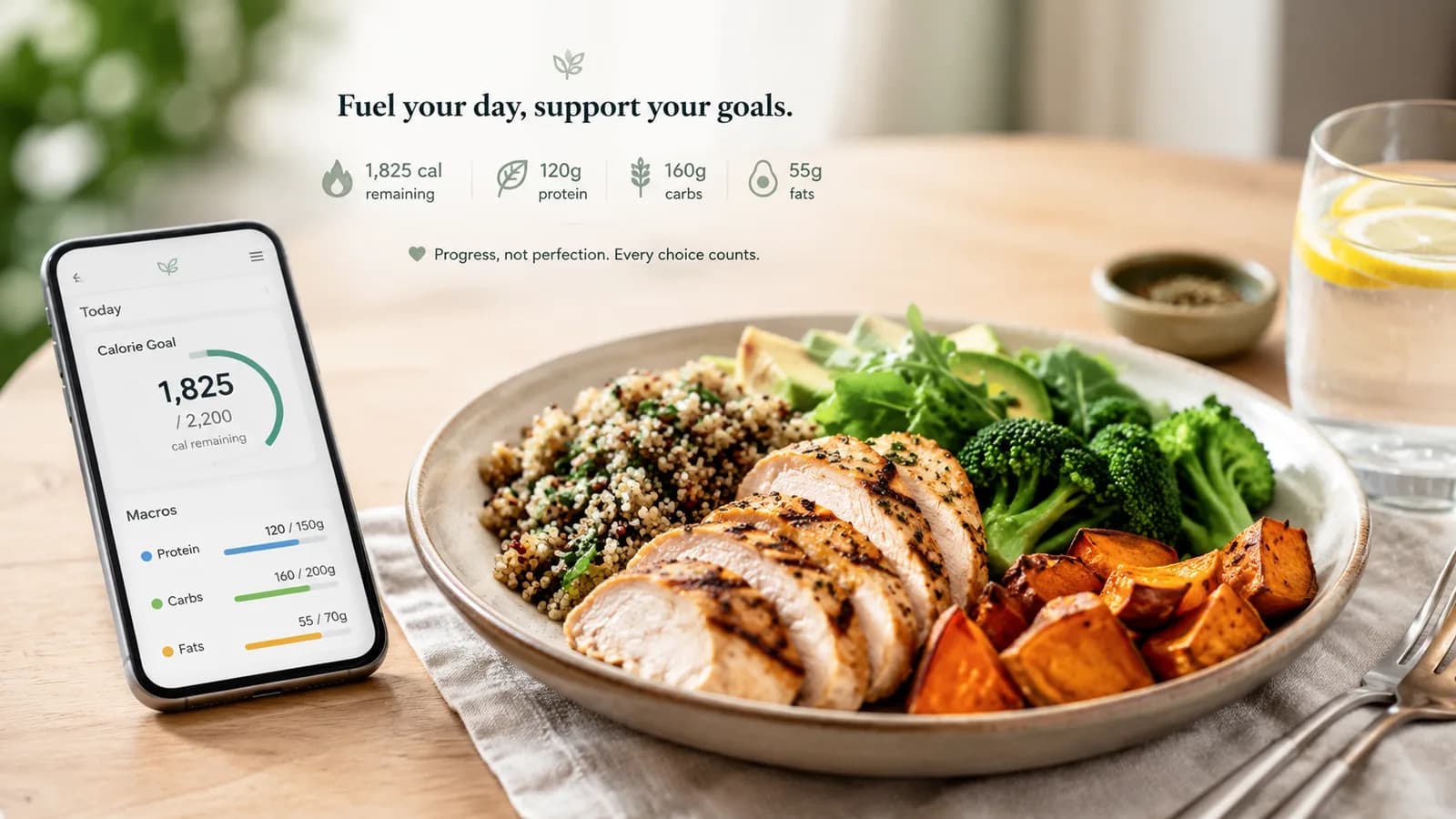
- Custom Calorie Goals
- calorie dashboard
- consumed, burned, and remaining calories
- breakfast, lunch, dinner, and snack logging
- Macro Tracker for protein, carbs, and fats
- Workout Tracking
- Water Tracking
- Fasting Tracking
- Step Counter Tracking
- Progress and Insights
AI calorie estimates can vary because portion size, ingredients, sauces, cooking methods, and serving size affect results. SlimAI reduces that friction with Ingredient Editing and Serving Size Guidance, so users can adjust food entries and bring calories and macros closer to what they actually ate.
SlimAI Premium includes unlimited scans, Voice Logging with Speak and Get Your Recipe, Type to Log and priority access to new SlimAI features. Premium is useful for users who want faster logging and fewer skipped entries.
The goal is not to make weight loss feel stricter. The goal is to make your routine easier to understand.
Common Mistakes to Avoid When Choosing a Weight Loss Goal
Mistake 1: Choosing a goal based on frustration
A goal built from guilt usually becomes too aggressive. Choose a target that fits your life, not one that punishes you for where you are starting.
Mistake 2: Only focusing on the scale
The scale is useful, but it does not show the whole routine. Meals, calories, macros, steps, workouts, sleep, and water all help explain progress.
Mistake 3: Setting a goal with no time frame
Without a time frame, it is hard to measure whether your plan is working. Choose a weekly, monthly, 3-month, or 6-month structure.
Mistake 4: Making the plan too strict
Strict plans often fail because they do not leave room for normal life. A realistic plan should include flexibility.
Mistake 5: Quitting instead of adjusting
If progress slows, adjust the plan. Review calorie intake, activity, portions, tracking consistency, sleep, and stress before giving up.
Conclusion: How to Choose a Weight Loss Goal
Knowing how to choose a weight loss goal starts with choosing a target that is realistic, measurable, and repeatable. A strong goal should include a clear time frame, a moderate target, and daily habits that support progress without making your routine feel impossible.
For many people, realistic progress may look like gradual weekly weight loss or a 5% to 10% reduction in starting body weight over several months. But the number is only part of the plan. Food tracking, movement, sleep, hydration, consistency, and progress review all help determine whether the goal can actually work.
SlimAI Calorie Tracker helps users connect calorie goals, meal logs, macros, workouts, water, steps, fasting, and progress in one routine. With Custom Calorie Goals, Ingredient Editing, Serving Size Guidance, Progress, and Insights, SlimAI helps make weight-management goals easier to understand and adjust over time.
Sources and References
- NIDDK — Choosing a Safe & Successful Weight-loss Program** ** Supports the recommendation that experts often suggest an initial goal of losing 5% to 10% of starting weight within 6 months. https://www.niddk.nih.gov/health-information/weight-management/choosing-a-safe-successful-weight-loss-program
- NHS — Tips to Help You Lose Weight** ** Supports the guidance to aim for 1 to 2 lb, or 0.5 to 1 kg, per week. https://www.nhs.uk/live-well/healthy-weight/managing-your-weight/tips-to-help-you-lose-weight/
- British Dietetic Association — How to Achieve a Healthier Weight** ** Supports realistic goal-setting and the guidance that 5% to 10% over 3 to 6 months or 1 to 2 lb per week is a realistic target. https://www.bda.uk.com/resource/weight-loss.html
- Academy of Nutrition and Dietetics Evidence Analysis Library — Realistic Weight Goal Setting** ** Supports realistic goals such as up to 2 pounds per week or up to 10% of baseline body weight. https://www.andeal.org/template.cfm?key=4325&template=guide_summary
- CDC — Steps for Losing Weight** ** Supports making a specific plan and building weight-loss routines around healthy eating patterns, regular physical activity, enough sleep, and stress management. https://www.cdc.gov/healthy-weight-growth/losing-weight/index.html
- Burke et al. — Self-Monitoring in Weight Loss: A Systematic Review** ** Supports the role of self-monitoring in behavioral weight-loss interventions, including diet, exercise, and self-weighing. https://pmc.ncbi.nlm.nih.gov/articles/PMC3268700/