




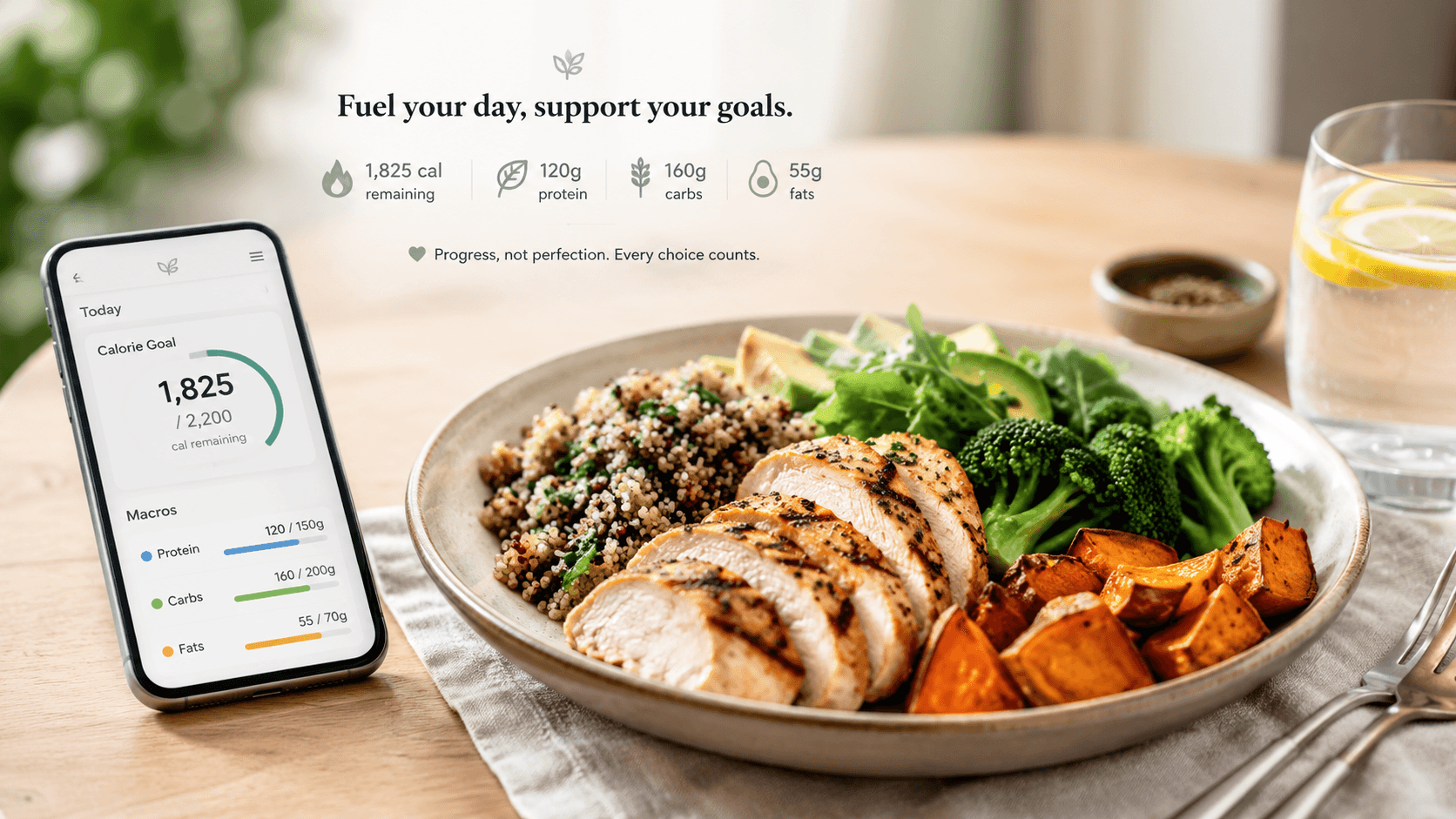
Does Calorie Tracking Ruin Your Relationship With Food?
Calorie tracking becomes a problem when eating starts to feel like passing or failing a daily test. You log dinner, see that you exceeded your target, and feel pressure to skip breakfast or add another workout.
At that point, the number is no longer providing neutral information. It is changing how you think about food, movement, and yourself.
This guide explains when calorie tracking supports awareness, when it creates unhealthy pressure, and how you can build a more flexible approach.
What Does Calorie Tracking Do to Your Relationship With Food?
Calorie tracking is a form of dietary self-monitoring. It records what you eat so you can review calories, portions, nutrients, and patterns across time.
Tracking does not automatically improve or damage your relationship with food. Its effect depends on your reason for tracking, your existing relationship with food, and how you react when the numbers differ from your plan.
Research shows a mixed picture. Dietary self-monitoring can support some weight-management programs, while other studies have found associations between tracking technology, body-image concerns, compulsive exercise, and disordered-eating symptoms. An association does not prove that calorie tracking directly caused those symptoms.
A fitness coach should therefore look beyond whether you reached your calorie goal. The more useful question is whether tracking helped you make a calm, practical decision.
Why Can Calorie Tracking Become Unhealthy?
Calorie tracking can become unhealthy when guidance turns into control.
You may begin by learning your usual portions. Later, you might feel unable to eat food unless you know its calorie count. A restaurant meal, family dinner, or homemade dish can become stressful because the exact ingredients are unknown.
The pressure often grows through all-or-nothing thinking. You exceed your target at lunch and decide the whole day is ruined. That thought may lead to overeating, harsh restriction, or an extra workout intended to cancel the meal.
Research has found that people use calorie-tracking technology for different reasons. Weight and appearance concerns, perfectionism, and rigid tracking motives may create a different experience from using a short-term food record for education or professional guidance.
Warning signs identified by the NHS and National Eating Disorders Association include constant worry about food or weight, strict food routines, avoiding meals with other people, eliminating food groups, and maintaining rigid exercise despite fatigue or injury.
What Do People Misunderstand About Calorie Counting?
Calorie Tracking Is Not Always Harmful
Some people can track food without developing guilt or rigid eating behavior.
A randomized trial involving women considered at low risk for eating disorders did not find that short-term dietary self-monitoring increased eating-disorder risk. However, the result should not be applied automatically to people with existing eating concerns or higher risk.
Another study involving adults pursuing weight loss found no evidence that self-monitoring increased reported eating-disorder behaviors in that population. These findings show why personal circumstances matter.
More Detailed Tracking Is Not Always Better
More data helps only when it answers a useful question.
You may benefit from learning that breakfast contains little protein or that your portions change when you skip lunch. Repeatedly weighing lettuce, rescanning the same plate, or changing entries until the total feels acceptable does not provide the same value.
A lower-burden tracking method may improve usability for people who benefit from self-monitoring but struggle with detailed recording.
Your Calorie Goal Is Not a Pass Mark
A calorie target is an estimate, not a line between success and failure.
Your appetite and energy needs can change with sleep, stress, movement, illness, recovery, and your daily routine. Food labels, restaurant entries, portion estimates, and exercise-calorie figures also contain uncertainty.
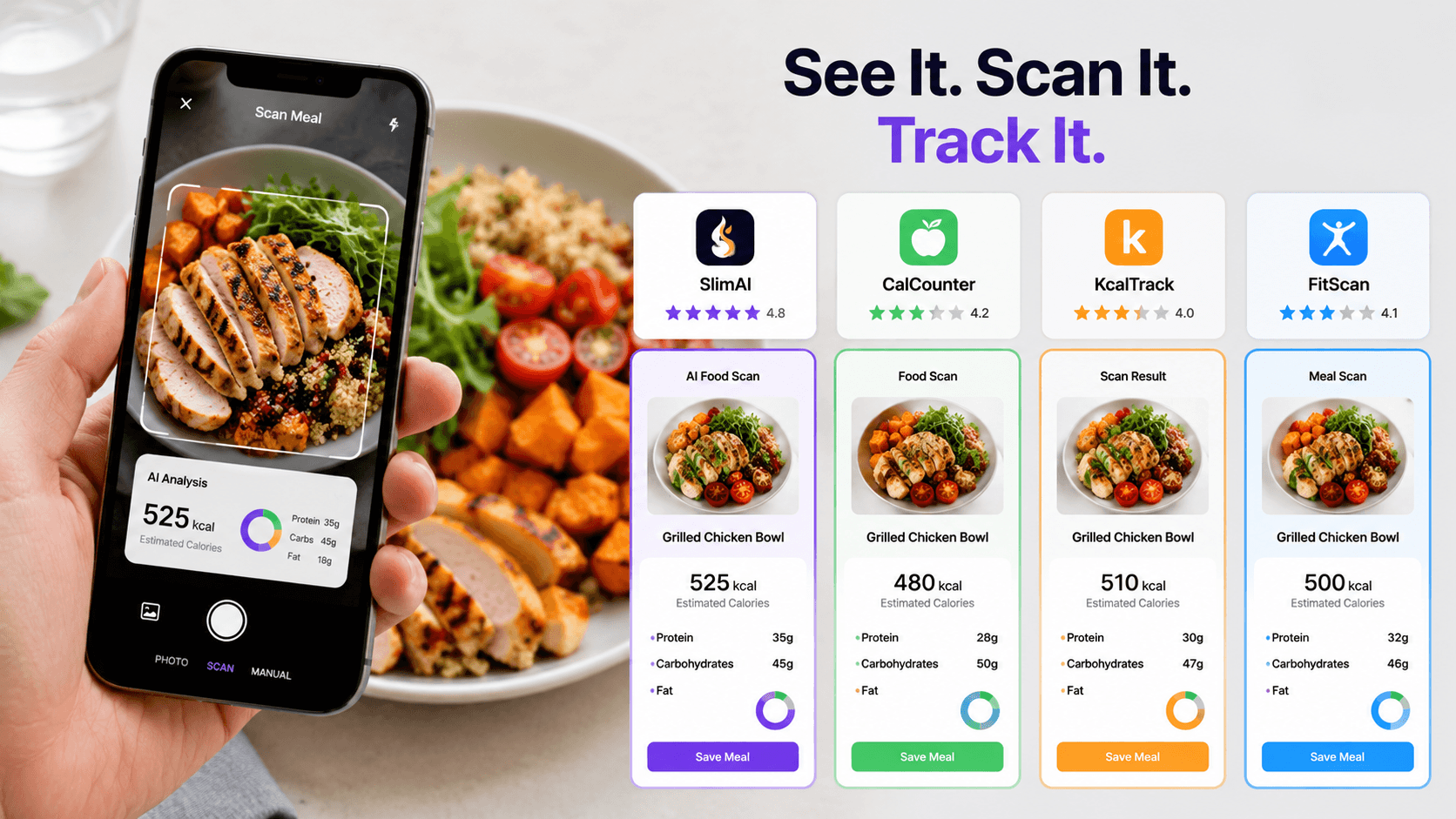
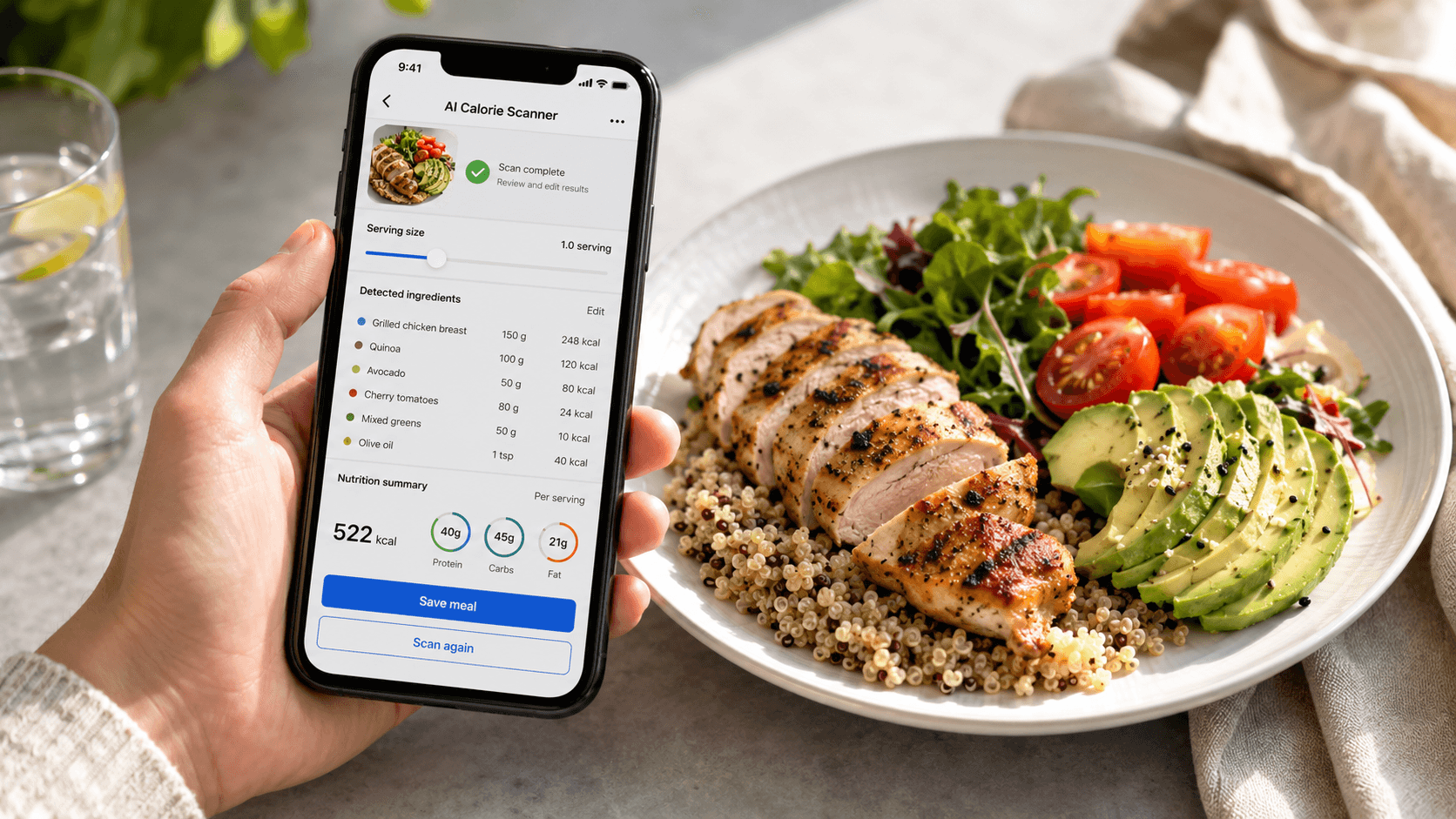
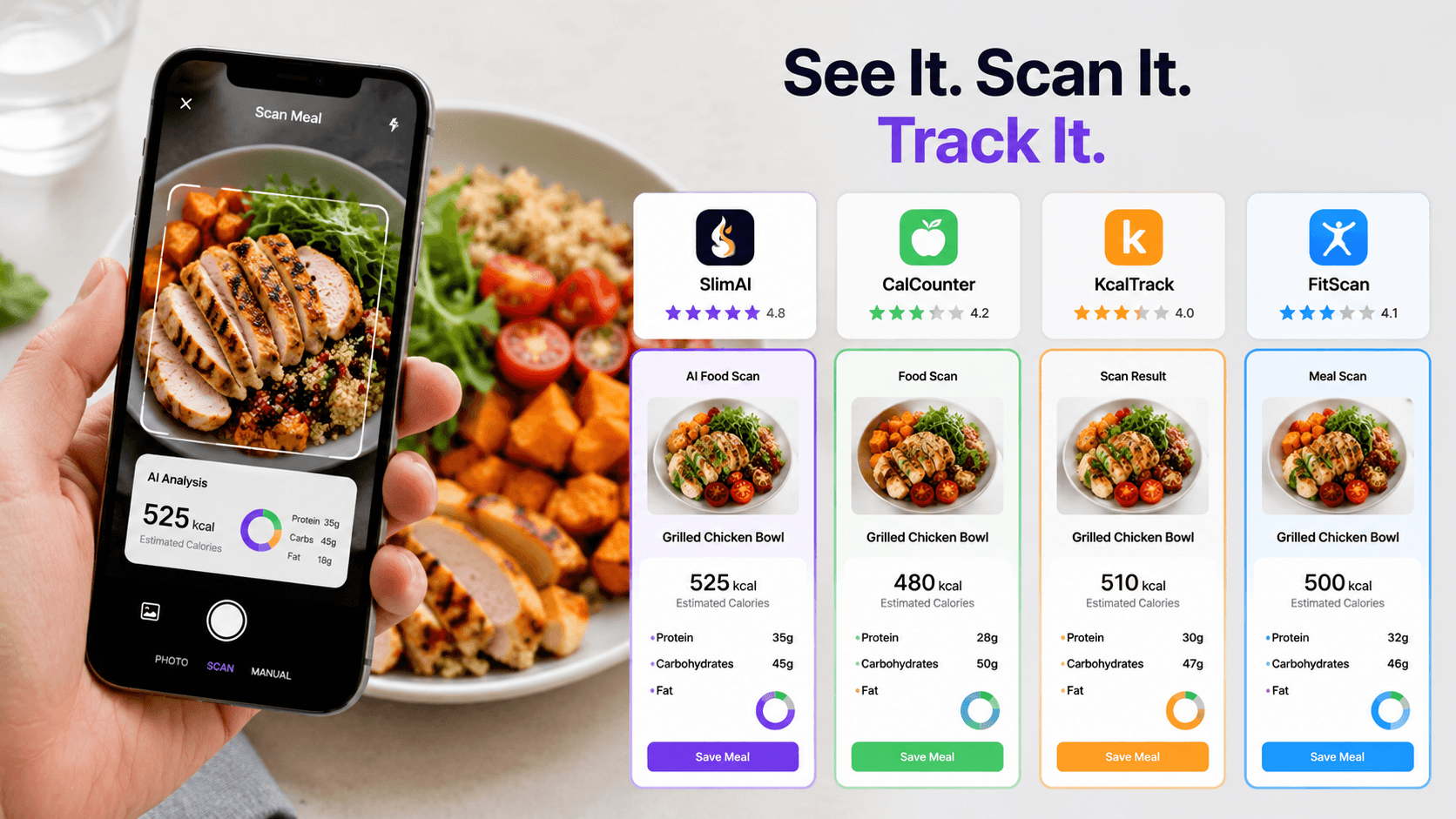
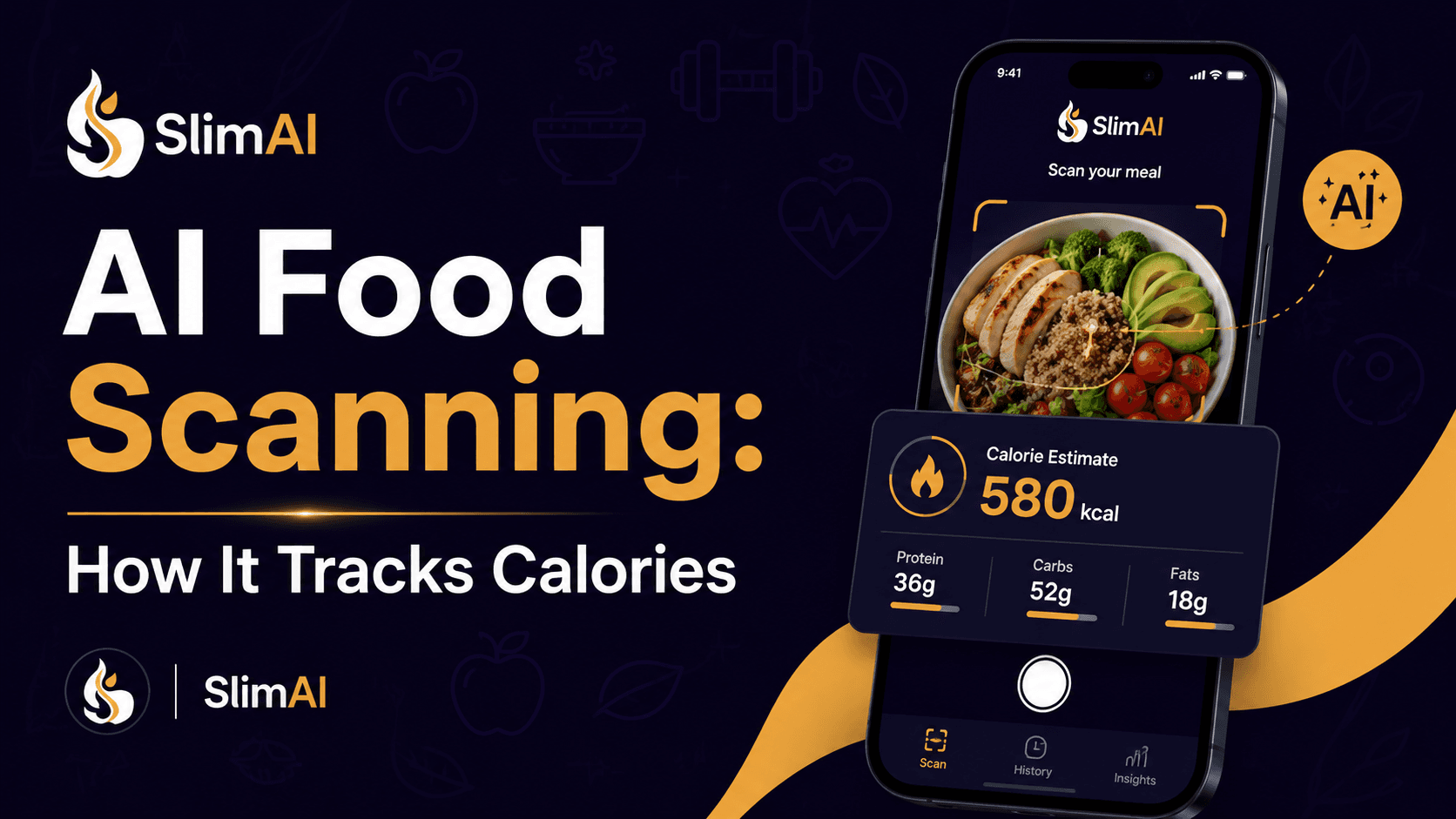
AI calorie estimates can vary because of portion size, ingredients, sauces, cooking methods, and serving size. SlimAI reduces this friction with Ingredient Editing and Serving Size Guidance, helping users adjust entries closer to what they actually ate.
Make a reasonable correction, then continue with your day. Chasing a perfect number can create more pressure than useful insight.
Exercise Does Not Repay Food
Food is not a debt, and a workout is not repayment.
Exercise can support strength, mobility, fitness, mood, and performance. Food provides energy and nutrients for daily function and recovery.
Training longer because you feel guilty about eating is different from following a planned workout. Rigid exercise, anxiety about missing training, and exercising despite fatigue or injury are recognized warning signs that deserve attention.
What Does Healthy Calorie Tracking Look Like?
Healthy tracking gives you useful feedback without controlling your mood, self-worth, or social life.
Flexible tracking behavior | Behavior that deserves attention |
You use calories as a general guide | You treat the target as a strict maximum |
You can eat some meals without logging | An untracked meal creates anxiety |
You review patterns across days | One meal decides whether the day was good or bad |
You include enjoyable and cultural foods | You remove foods because their numbers feel frightening |
You exercise for fitness and recovery | You exercise to punish or repay eating |
You correct an entry and continue | You repeatedly weigh, edit, or rescan the same meal |
You consider hunger and satisfaction | Calories become the only information that matters |
You adjust goals when life changes | Eating less always feels like greater success |
From a coaching perspective, tracking should help answer practical questions:
Are your meals keeping you satisfied?
Are you eating enough to support your workouts?
Does your routine include protein, carbohydrates, fats, fiber, and variety?
Can your plan work during weekends, travel, and social meals?
Can you respond calmly when a day differs from your target?
Tracking may be useful when it improves those decisions. It deserves reconsideration when it increases fear, guilt, isolation, or compulsive checking.
Recent evidence continues to show associations between diet and fitness tracking, body-image concerns, compulsive exercise, and disordered eating. Researchers also emphasize that cross-sectional findings cannot establish that the technology caused those outcomes.
How Can SlimAI Calorie Tracker Support Flexible Calorie Tracking?
SlimAI Calorie Tracker should give you information with less effort. It should not encourage you to monitor every bite more aggressively.
Fast Setup & Personalized Tracking and Custom Calorie Goals can provide a starting point based on your profile and fitness objective. A responsible calorie goal should support planning and performance, not encourage you to choose the lowest possible number.
When manual logging feels mentally tiring, Flexible Food Logging lets you select a method that fits the meal. Available options include Camera Scan, Voice to Log, Type to Add, Gallery Upload, Food Database Search, Recent Foods, Saved Foods, and Back-Date Logging.
Ingredient Editing and Serving Size Guidance help you make one practical correction when a meal estimate does not match what you ate. You should not need to scan the same plate repeatedly to produce a more comforting number.
Macro Tracker can shift part of your attention from “How low were my calories?” toward more useful fitness questions. You can review whether a meal provides protein for recovery, carbohydrates for training, and enough dietary fat for a balanced routine.
Food Health Score may add food-quality context, but no score should become a moral label. One meal does not make you healthy or unhealthy.
That is the practical meaning of Eat smarter, not stricter. Use the information to understand the meal, make a reasonable decision, and then return your attention to the rest of your day.
Progress, Streaks & Back-Date Logging can help you review patterns across time. A missed logging day should not be treated as failure, and maintaining a streak should never matter more than your mental wellbeing.
Workout Tracking can place nutrition and movement in the same routine. It should support performance review rather than encourage you to compensate for eating.
SlimAI Premium includes Unlimited scans, Speak and Get Your Recipe, Type to Log, and Priority access to new SlimAI features. These features may reduce logging effort when tracking remains useful and emotionally neutral. They are not a reason to continue tracking when the process causes restriction or distress. The feature set is based on SlimAI’s current product brief and public store information.
Explore SlimAI’s flexible calorie and nutrition features.
How Can You Protect Your Relationship With Food?
1. Give Calorie Tracking a Specific Purpose
Decide what you want tracking to teach you.
You may want to understand your normal portions, improve workout fueling, notice skipped meals, or increase protein. A clear purpose helps prevent tracking from continuing after it stops providing useful information.
2. Use a Range Instead of One Exact Target
Your body does not require the same intake every day.
Use your goal as a planning range where appropriate. A difference from the target does not require meal skipping, extra cardio, or tighter restriction the following day.
3. Review More Than Calories
Look at meal satisfaction, energy, protein, food variety, hydration, training quality, and recovery.
A meal can fit your calorie target while leaving you hungry. Another may exceed the number while providing nourishment, enjoyment, and useful energy for an active day.
4. Keep Enjoyable and Cultural Foods in Your Routine
A balanced routine should make room for nutrition, culture, convenience, social connection, and enjoyment.
Removing every food that is difficult to measure can make eating increasingly narrow. Practice including familiar foods without needing each meal to look like a “diet meal.”
5. Schedule Occasional Untracked Meals
You should remain able to eat without knowing every number.
Begin with a familiar meal if untracked eating feels uncomfortable. Notice your hunger, satisfaction, and emotional response rather than estimating the meal afterward.
6. Separate Exercise From Food Guilt
Follow your workout plan according to your fitness level, goals, and recovery.
Do not add exercise because you feel you must cancel a meal. If missing a workout causes intense anxiety, or you exercise despite pain and exhaustion, speak with a qualified professional.
7. Use a Weekly Coach Check
At the end of each week, ask what tracking did for you.
Did it support your energy, workouts, balanced meals, and confidence? Or did it create guilt, social avoidance, restriction, and repeated checking?
Your emotional response is useful data. Do not ignore it because your calorie totals look organized.
When Should You Stop Tracking Calories?
You should consider pausing calorie tracking when the emotional or behavioral cost becomes greater than the information it provides.
Signs that a break may be appropriate include:
thinking about calories for much of the day;
feeling guilty or ashamed after exceeding a target;
skipping meals to correct an earlier meal;
avoiding restaurants or food prepared by other people;
eliminating foods or full food groups without a medical reason;
exercising to repay food;
bingeing after periods of strict restriction;
feeling unable to eat unless food is logged;
tying your self-worth to calorie totals or body changes.
These signs do not confirm a diagnosis by themselves. They do show that tracking may no longer be functioning as neutral guidance.
The NHS describes eating disorders as mental health conditions involving the use of food control to cope with feelings or situations. NEDA lists preoccupation with calories, strict food rules, social avoidance, and rigid exercise among warning signs that may require professional support.
A registered dietitian, doctor, or mental health professional can help you decide whether to stop tracking, change your goal, or use a different nutrition approach.