


Peanut Butter Calories: Healthy but High-Calorie
Two tablespoons of peanut butter (about 32 g) have roughly 180-200 calories, and peanut butter averages around 590 calories per 100 g. It is genuinely nutritious — protein, healthy fats and fiber — but it is also one of the most calorie-dense foods people eat daily. The difference between a measured tablespoon and a generous scoop straight from the jar can easily be 100 calories or more.
Last updated
Peanut Butter Nutrition Facts (per 100 g)
| Calories | 588 kcal |
|---|---|
| Protein | 25 g |
| Carbohydrates | 20 g |
| Fat | 50 g |
| Fiber | 6 g |
| Sugar | 9 g |
| Sodium | 430 mg |
Typical reference values. Real dishes vary with ingredients, oil, portion size, and cooking method. Source: USDA-style reference values, pending dietitian verification.
Peanut Butter Calories by Serving Size
| Serving | Weight | Calories |
|---|---|---|
| 1 tsp (5 g) | 5 g | ~30 kcal |
| 1 tbsp (16 g) | 16 g | ~90 kcal |
| 2 tbsp (32 g) | 32 g | ~190 kcal |
| 1 thick spread (45 g) | 45 g | ~260 kcal |
Log Peanut Butter in about three seconds
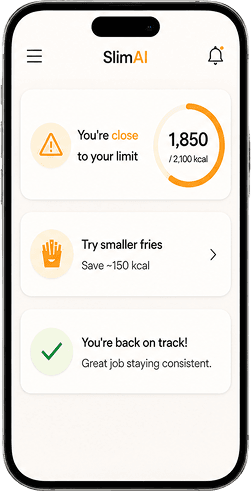
Snap a photo, say it out loud, or search the database — then adjust the serving size so the entry matches your plate. Eat smarter, not stricter.


3-day free trial · Cancel anytime · No card charged during trial
Quick Answer
A standard two-tablespoon serving of peanut butter has about 180-200 calories, and a single tablespoon lands around 90-95. The honest complication is that almost nobody measures peanut butter — a "tablespoon" scooped from the jar is often closer to two, which quietly doubles the number.
You don't need to avoid peanut butter to manage your weight. It's a nutritious food with real protein and healthy fats — portion size and your overall daily balance are what actually matter. Measuring it once or twice is usually enough to recalibrate what a real serving looks like.
Why Peanut Butter Calories Vary
Peanut butter calories look simple on the label, but the number in your actual meal shifts with the product and, more than anything, with how it is portioned.
- Scoop size — an unmeasured spoonful is often 1.5-2x a labeled serving
- Natural vs conventional — added sugar and oils change the profile slightly
- Reduced-fat versions — often swap fat for sugar with similar total calories
- Crunchy vs smooth — nearly identical, despite common assumptions
- Added ingredients — honey, chocolate or flavored varieties run higher
- What it goes on — toast, smoothies and shakes stack it with other calories
- Powdered peanut butter — dramatically lower because most fat is removed
Because the gap between a measured and an eyeballed serving is so large, a good tracking app has to let you adjust the amount — logging "peanut butter" without setting the grams or spoons barely tells you anything.
Is Peanut Butter Bad for Weight Loss?
Peanut butter is not bad for weight loss — it is just unusually easy to overeat. At nearly 600 calories per 100 g, small inaccuracies matter more than they do with most foods.
Plenty of people include a daily serving of peanut butter while losing weight. It is filling, it adds protein to otherwise carb-heavy breakfasts, and it makes sustainable eating patterns more enjoyable. Where it typically goes wrong:
- Eating straight from the jar, where portions are impossible to judge
- Counting a heaping scoop as "one tablespoon" in your log
- Adding it to smoothies that already contain banana, milk and oats
- Treating "natural" or "organic" labels as if they meant low-calorie
- Using it as a late-night snack on top of an already-full day
A measured serving that fits your day is a perfectly reasonable habit. The goal is accuracy, not avoidance.
How to Make Peanut Butter Lower in Calories
You rarely need to give up peanut butter — trimming how it shows up is usually enough.
- Measure with an actual spoon or scale for a week to recalibrate your eye
- Use 1 tbsp instead of 2 and spread it thinner over the whole slice
- Try powdered peanut butter in smoothies — roughly a third of the calories
- Pair it with apple slices or celery instead of two slices of bread
- Pick natural versions with just peanuts and salt to skip added sugar
- Portion snacks into a small dish instead of eating from the jar
Small changes like these can save 100-150 calories a day without making peanut butter feel off-limits — and habits you enjoy are the ones that last.
How to Track Peanut Butter in SlimAI
- Open SlimAI.
- Search for peanut butter or scan your meal with the camera.
- Review the estimated calories and macros.
- Adjust the serving size to match your actual spoonful or spread.
- Save it to your daily food log.
SlimAI helps you track real-life foods like peanut butter without making calorie tracking feel overly strict. Eat smarter, not stricter.
 FAQ
FAQ
Still Wondering About SlimAI
 How many calories are in one tablespoon of peanut butter?
How many calories are in one tablespoon of peanut butter?One level tablespoon (about 16 g) has roughly 90-95 calories. A heaping, unmeasured spoonful can easily reach 150-180 calories, which is why measured portions matter more with peanut butter than with most foods.
Can I eat peanut butter every day and still lose weight?
Can I eat peanut butter every day and still lose weight?Yes, if the portion fits your overall calorie budget. A daily tablespoon or two is common in successful weight-loss routines because peanut butter is filling and makes meals more satisfying. The risk is portion creep, not the food itself.
Why do some peanut butter brands have more calories than others?
Why do some peanut butter brands have more calories than others?Most peanut butters land in a similar 570-600 calories per 100 g range. Flavored versions with chocolate or honey run higher, while powdered peanut butter is far lower because most of the fat has been pressed out. "Reduced-fat" versions often replace fat with sugar and end up nearly identical.
Is natural peanut butter better for weight loss?
Is natural peanut butter better for weight loss?Natural peanut butter usually skips added sugar and oils, which is a nutritional plus, but its calories are almost the same as conventional versions. Choose it for the ingredient list, not for a lower number — portion size still decides the calories.
Can SlimAI track peanut butter?
Can SlimAI track peanut butter?Yes. Search "peanut butter" in SlimAI and set the amount in tablespoons or grams, or scan your toast or smoothie with the camera. You can adjust the serving before saving so the log matches what you actually ate.
Stop looking up Peanut Butter with AI Meal Logging.
SlimAI reads the plate, fills in the calories and macros, and shows what is left in your day. Free for three days.
Free 3-day trial, then $7.99/month or $29.99/year. Cancel anytime.
- 50K+ food items in the food database
- 10K+ downloads on iOS and Android
- 7 languages
- 4.5★ App Store · 4.8★ Google Play (as of September 3, 2026)