



To lose weight with hypothyroidism, first work with your doctor to get your thyroid levels into the target range, then use the same tools that work for anyone: a moderate calorie deficit, enough protein, strength training and good sleep. The American Thyroid Association says the thyroid itself usually accounts for only about 5–10 lb, mostly fluid.
If you have hypothyroidism and feel like you track every bite and still gain, you are not imagining it, and it is not a willpower problem. This guide explains what is really happening, why weight loss can stall, how to take your medication around meals, and a simple hypothyroidism diet plan.
Why hypothyroidism causes weight gain
Thyroid hormone helps set how fast your body uses energy. When the thyroid makes too little (hypothyroidism), your basal metabolic rate drops. You burn fewer calories at rest, often feel tired and cold, and tend to move less.
According to the American Thyroid Association (ATA):
- About 5–10 lb of body weight may be attributable to the thyroid, depending on how severe the hypothyroidism is.
- Most of that extra weight is salt and water, not fat.
- Large weight gains are rarely caused by hypothyroidism alone.
- After treatment, most people lose a small amount, usually less than 10% of their body weight.
This is important. If you gained 30 lb over several years, the thyroid probably explains part of it, but not all. The rest responds to the same approach as weight loss without a thyroid condition, which is good news, because that part is in your control.
Why you can't lose weight with hypothyroidism: the common reasons
1. Your thyroid levels are not in range yet
This is the first thing to rule out. If your dose is too low, your metabolism stays slower and fatigue makes everything harder. Doses often need adjusting, especially after weight changes, pregnancy or new medications. Ask your doctor to check your TSH if you are struggling.
2. Your calorie target is too generous
Most calorie apps and calculators assume a typical metabolism. If yours is slightly lower, a target that "should" create a deficit might only keep you at maintenance. Start with a TDEE calculator, then adjust based on your real weight trend over three to four weeks.
3. Fluid is hiding fat loss
Hypothyroidism can cause fluid retention, and the scale swings with salt, hormones and digestion. Look at a multi-week trend instead of daily weigh-ins. Our guide to why your weight fluctuates explains why.
4. Hidden calories in "perfect" tracking
Even careful trackers miss cooking oil, ghee, sauces, drinks and bites while cooking. A tablespoon of oil is about 120 calories. Logging these for a week often closes the gap.
5. Fatigue lowers daily movement
When you are tired, you sit more, walk less and fidget less. This everyday movement can make up hundreds of calories a day. Tracking steps is an easy way to see it.
How to lose weight with hypothyroidism: step by step
- Get treatment right. Take your medication consistently and keep follow-up blood tests.
- Set a gentle calorie deficit. About 300–500 calories a day below maintenance is easier to sustain and protects muscle. Use the weight loss date calculator for a realistic timeline.
- Eat enough protein. Protein keeps you full and helps protect muscle while you lose fat. The protein calculator gives a daily target.
- Strength train two or three times a week. More muscle raises the calories you burn and supports energy levels.
- Walk daily. Steady, low-intensity movement adds up without draining you.
- Protect your sleep. Poor sleep raises hunger and cravings.
- Be patient with the scale. Expect slow, uneven progress. Measure your waist too.
How to take levothyroxine around food
Levothyroxine absorption is affected by food and some supplements, which can change how well your dose works. ATA guidelines suggest:
| Do | Why |
|---|---|
| Take it on an empty stomach, about 30–60 minutes before breakfast | Food reduces absorption |
| Or take it at bedtime, at least 3 hours after your last meal | An alternative if mornings do not work |
| Take it with water, not coffee | Coffee can reduce absorption |
| Keep calcium and iron supplements about 4 hours away | Both bind the hormone in the gut |
| Be consistent with soy and high-fiber foods | They can affect absorption, so keep intake steady |
| Take it the same way every day | Lets your doctor set the right dose |
Always follow your own doctor's or pharmacist's instructions, as they may differ for your medication.
A hypothyroidism diet plan
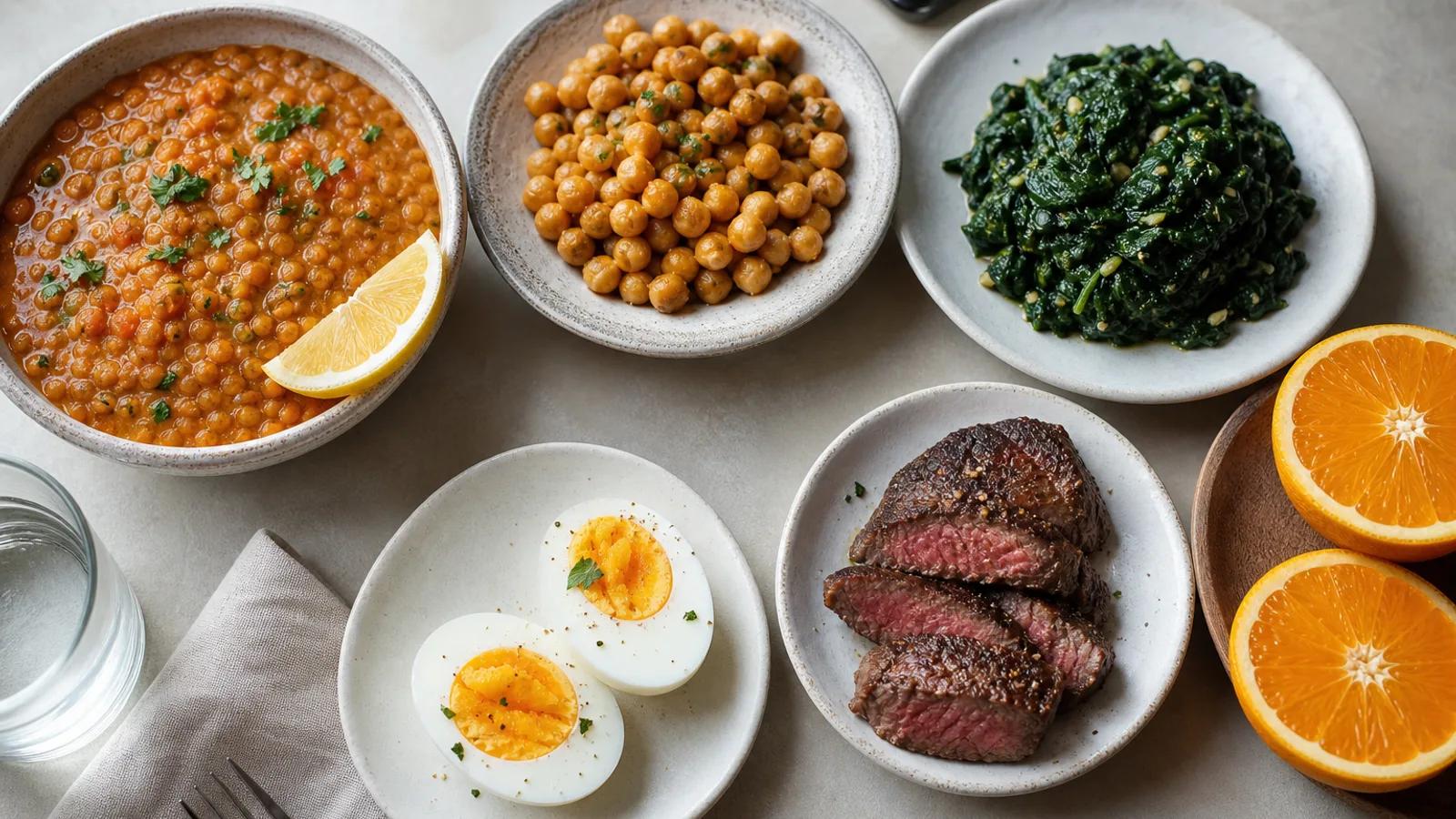
There is no special diet proven to treat hypothyroidism. Research supports a balanced, high-protein, high-fiber diet in a moderate calorie deficit. Here is what a day can look like:
| Meal | Example |
|---|---|
| Morning | Levothyroxine with water, then wait |
| Breakfast | Eggs or Greek yogurt, whole-grain toast or oats, fruit; coffee after the wait |
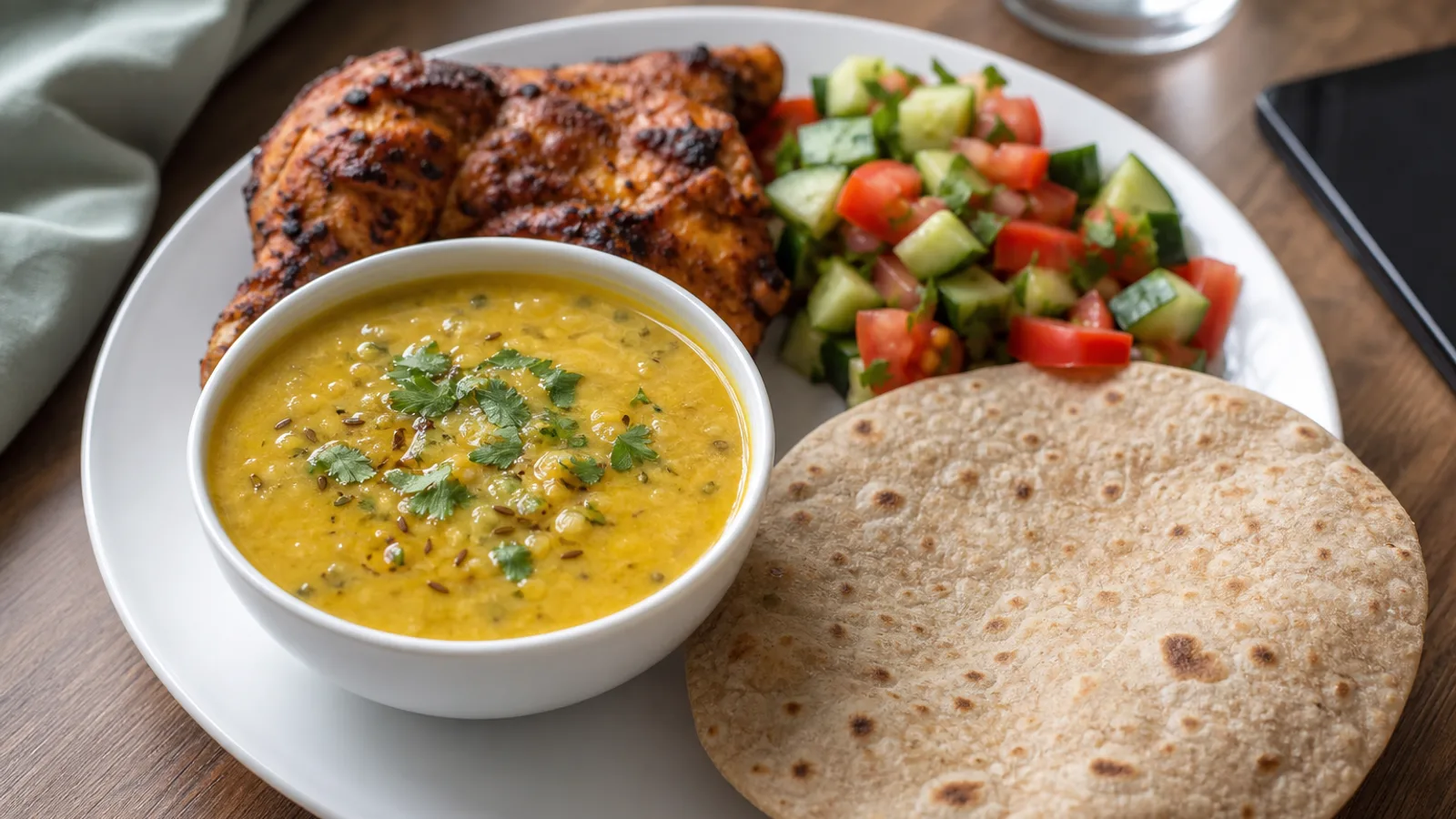
| Lunch | Grilled chicken or chana salad with vegetables and a whole grain, or dal with sabzi and roti |
| Snack | Apple with peanut butter, or a handful of nuts |
| Dinner | Fish or tofu, roasted vegetables, a small portion of rice or potatoes |
Foods and supplements: what research says
- Iodine: your thyroid needs it, but high-dose supplements can make some thyroid conditions worse. Iodized salt and a normal diet are enough for most people.
- Selenium: evidence for supplements is mixed. Do not start one without your doctor.
- Cruciferous vegetables: broccoli, cabbage and cauliflower are fine in normal amounts, especially cooked.
- Gluten: going gluten-free only helps if you have celiac disease, which is more common in people with autoimmune thyroid disease. Ask your doctor about testing rather than cutting it out on your own.
How SlimAI can help
SlimAI is a calorie and macro tracker. It does not treat thyroid conditions or track medication, but it can support the parts you control:
- A gentler deficit. If you select hypothyroidism during setup, SlimAI uses a more conservative calorie deficit than it would otherwise.
- Honest logging, fast. Snap a photo, say what you ate, or type it. You can edit ingredients and add cooking oil or ghee so hidden calories are not missed.
- Protein tracking. Every meal shows protein, carbs, fat and calories, so you can see whether you are getting enough protein.
- Weekly trends. Charts show average calories and weight over weeks, which is a better guide than one day's weigh-in.
- Your own targets. SlimAI Pro lets you set custom calorie and macro goals if your doctor or dietitian gives you specific numbers.
Conclusion
Hypothyroidism makes weight loss harder, but usually not impossible. The thyroid itself typically accounts for about 5–10 lb, mostly fluid, and treatment comes first. Once your levels are in range, a gentle calorie deficit, plenty of protein, strength training, daily walking and consistent medication timing give you the best chance. If you are doing all of that and still not seeing change over a couple of months, talk to your doctor.
Sources and References
- American Thyroid Association. Thyroid and Weight (patient brochure).
- Jonklaas J, et al. Guidelines for the treatment of hypothyroidism: prepared by the American Thyroid Association Task Force on Thyroid Hormone Replacement. Thyroid, 2014;24(12):1670–1751.
- Benvenga S, et al. Altered intestinal absorption of L-thyroxine caused by coffee. Thyroid, 2008;18(3):293–301.
- American Thyroid Association. Hypothyroidism (Underactive).
- National Institute of Diabetes and Digestive and Kidney Diseases. Hypothyroidism (Underactive Thyroid).
This article is for general information and is not medical advice. Talk to your doctor before changing your medication, diet or supplements.