



Short answer: the best iron-rich foods for anemia are meat, chicken liver, fish, beans, lentils, chickpeas, tofu, spinach and fortified cereals. Iron from animal foods is absorbed best. For plant iron, add vitamin C (lemon, tomato, guava, orange) and keep chai and coffee away from meals. Anemia itself needs a blood test and a doctor's advice.
If you are tired all the time, short of breath on the stairs or always cold, low iron could be part of the reason. It is extremely common among South Asian women, and food is the first line of prevention. This guide covers the best iron-rich foods, including Indian and Pakistani staples, how to absorb more of the iron you eat, and where vitamin D fits in. It is general information, not a diagnosis.
Why so many women are tired: iron deficiency
Iron is needed to make hemoglobin, the protein in red blood cells that carries oxygen. With too little iron, your body makes fewer healthy red blood cells, and less oxygen reaches your muscles and brain. The result is iron deficiency anemia.
Anemia is especially common in South Asia:
- India: about 57% of women aged 15–49 were anemic in the National Family Health Survey (NFHS-5, 2019–21), up from about 53% five years earlier.
- Pakistan: the National Nutrition Survey 2018 found anemia in about 43% of non-pregnant women of reproductive age.
Not all anemia is caused by low iron, but iron deficiency is one of the most common causes. Heavy periods, pregnancy, breastfeeding, mostly vegetarian diets and frequent tea with meals all add to the risk.
Iron deficiency symptoms
- Tiredness and weakness that rest does not fix
- Pale skin, or pale inner eyelids
- Shortness of breath with light activity
- A fast or pounding heartbeat
- Headaches and dizziness
- Cold hands and feet
- Brittle nails or hair loss
- Cravings for ice, clay or other non-food items
These symptoms overlap with many other conditions, such as thyroid problems, low vitamin B12 and depression. If tiredness lasts more than a few weeks, ask your doctor for a blood test before you self-treat.
How much iron do you need?
These are the US Recommended Dietary Allowances from the NIH Office of Dietary Supplements:
| Group | Iron per day |
|---|---|
| Women 19–50 | 18 mg |
| Pregnant women | 27 mg |
| Breastfeeding women 19–50 | 9 mg |
| Women 51+ and adult men | 8 mg |
Because plant iron is absorbed less well, the NIH notes that people on vegetarian diets may need about 1.8 times as much iron.
Iron-rich foods for anemia (with mg per serving)
Values are from the NIH Office of Dietary Supplements iron fact sheet, rounded.
| Food | Serving | Iron |
|---|---|---|
| Breakfast cereal fortified with 100% DV | 1 serving | 18 mg |
| White beans, canned | 1 cup | 8 mg |
| Beef liver, pan fried | 3 oz | 5 mg |
| Lentils (masoor daal), boiled | ½ cup | 3 mg |
| Spinach (palak), boiled | ½ cup | 3 mg |
| Tofu, firm | ½ cup | 3 mg |
| Kidney beans (rajma), canned | ½ cup | 2 mg |
| Chickpeas (chana), boiled | ½ cup | 2 mg |
| Sardines, canned in oil | 3 oz | 2 mg |
| Beef, braised | 3 oz | 2 mg |
| Cashews | 1 oz | 2 mg |
| Chicken, roasted | 3 oz | 1 mg |
| Egg | 1 large | 1 mg |
Liver is very high in iron but also very high in vitamin A. If you are pregnant, ask your provider before eating it regularly.
Iron-rich Indian and Pakistani foods
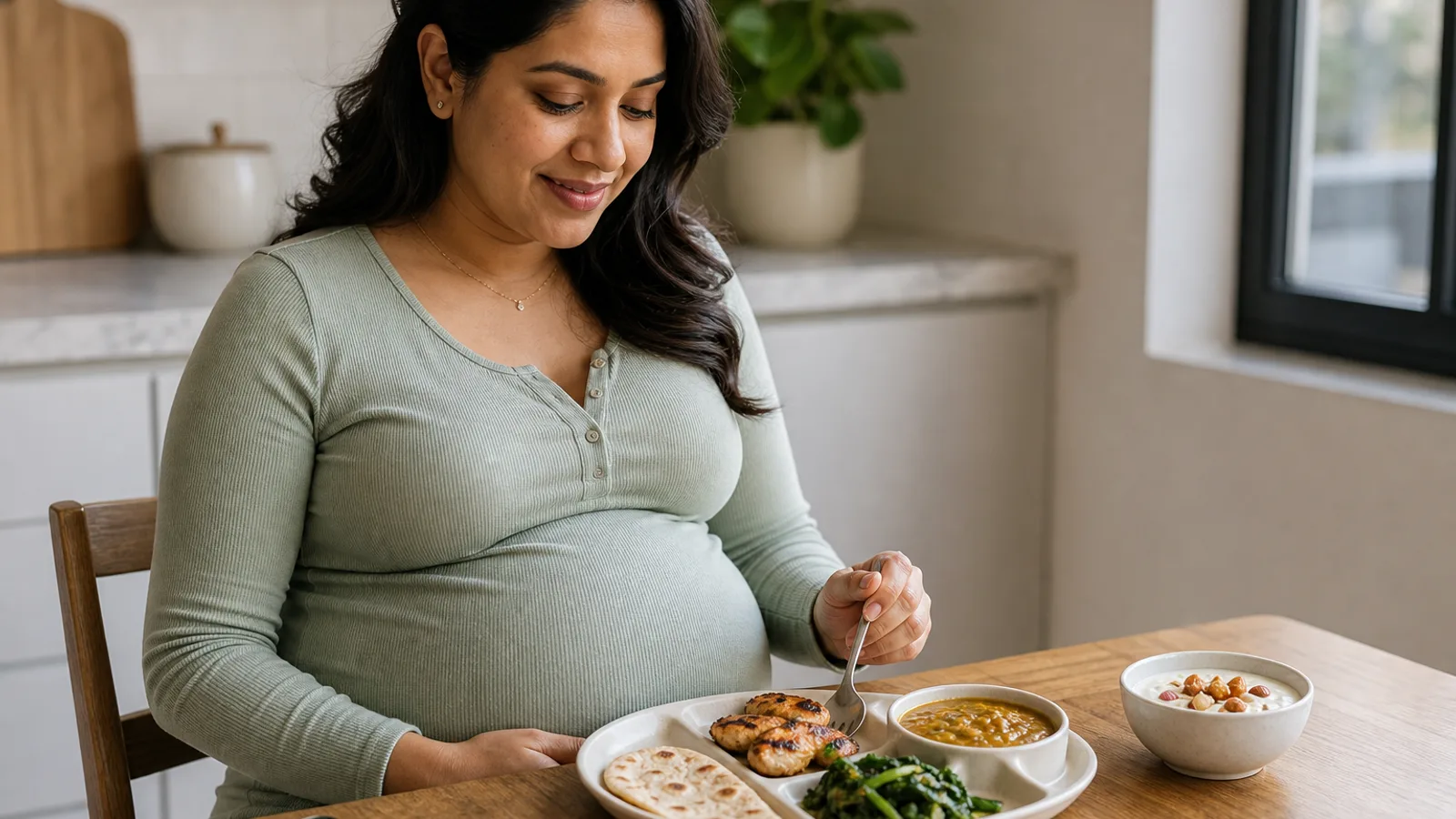
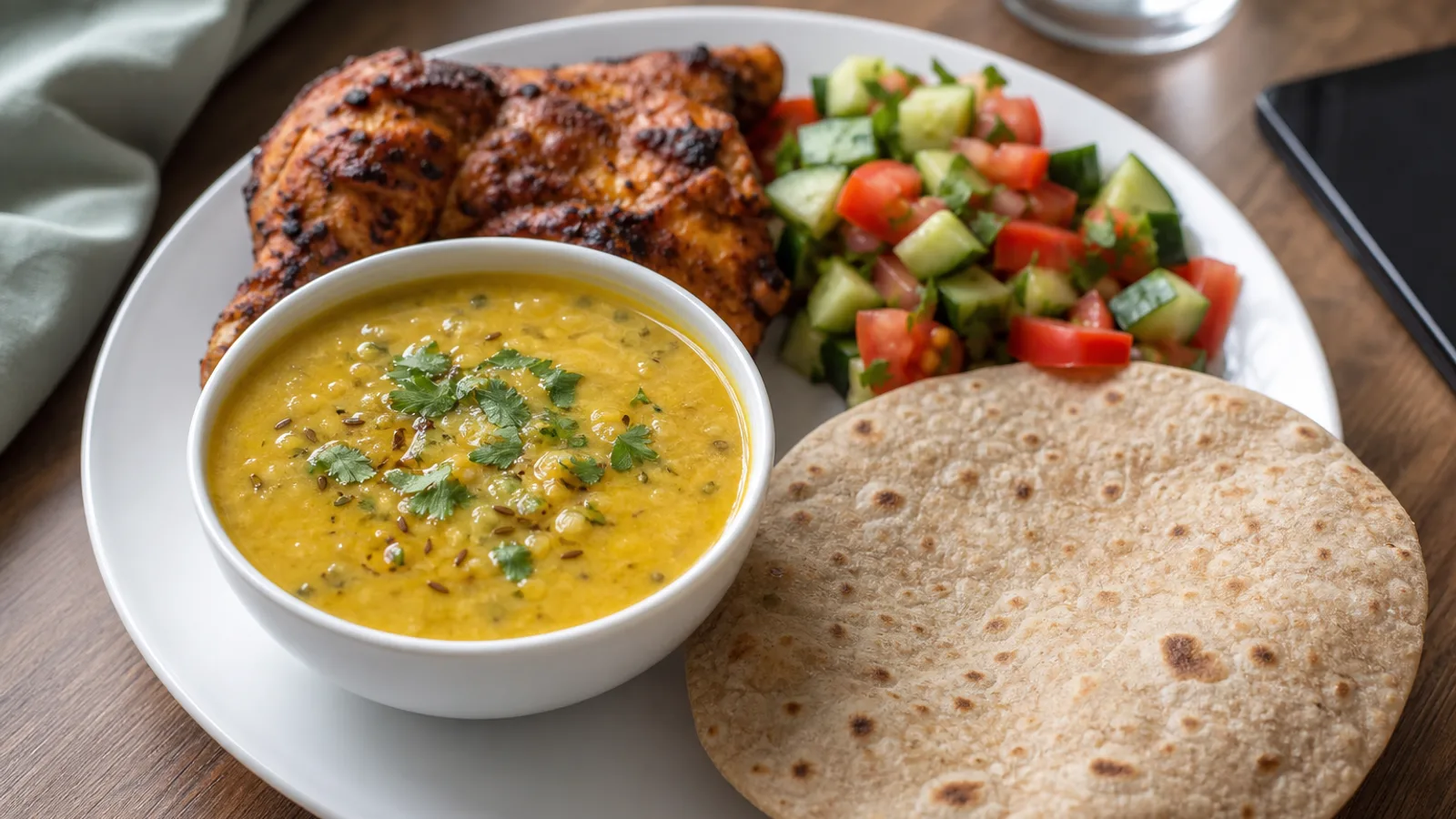
Many everyday desi meals can be good iron sources:
- Daal: masoor, moong, chana daal and mixed daals, ideally with a squeeze of lemon.
- Chana and rajma: chana masala, chana chaat and rajma with rice.
- Leafy greens: palak, saag, methi and bathua, cooked into daal, sabzi or with paneer or chicken.
- Meat and fish: mutton, beef, chicken and fish curries provide easily absorbed heme iron.
- Eggs: anda bhurji or boiled eggs at breakfast.
- Fortified atta and cereals: check the label for added iron.
- Seeds and nuts: pumpkin seeds, sesame (til) and cashews as snacks.
A note on popular "iron foods": jaggery (gur), dates and pomegranate are often recommended for anemia, but they provide much less iron per serving than daal, chana, greens or meat, and add sugar. Enjoy them, but do not rely on them.
How to absorb more iron from your food
Know heme and non-heme iron
- Heme iron comes from meat, poultry and fish. Your body absorbs it well.
- Non-heme iron comes from plants and fortified foods. Your body absorbs less of it, and other foods in the meal affect how much.
Eating some meat, chicken or fish with plant foods also helps your body absorb more non-heme iron from the rest of the meal.
Add vitamin C to iron-rich meals
Vitamin C helps your body absorb non-heme iron. Easy desi pairings:
- Lemon squeezed over daal, chana or saag
- Tomatoes and onions in curries and salads
- A guava, orange or a few strawberries after lunch
- Kachumber salad with your rice and rajma
Move chai away from meals
Tea and coffee contain polyphenols that bind to plant iron and reduce absorption. Research shows the effect is strongest when tea is drunk with the meal. Drinking chai an hour or so before or after eating, rather than with breakfast or lunch, is one of the simplest changes you can make.
Calcium can also reduce iron absorption, so if you take a calcium supplement, ask your doctor about taking it at a different time from iron-rich meals.
Vitamin D: the other South Asian energy gap
Vitamin D supports bones, muscles and immunity. Low levels can cause bone pain, muscle weakness and tiredness. The NIH notes that people with darker skin, limited sun exposure, and women who wear long robes or head coverings are more likely to be low, which describes many South Asian women.
Most vitamin D comes from sunlight on the skin. Food sources are limited but still useful:
| Food | Vitamin D |
|---|---|
| Trout, cooked, 3 oz | About 645 IU |
| Salmon, cooked, 3 oz | About 570 IU |
| UV-exposed mushrooms, ½ cup | About 370 IU |
| Fortified milk, 1 cup | About 100–120 IU |
| Sardines, canned, 2 fish | About 45 IU |
| Egg yolk, 1 large egg | About 45 IU |
The recommended amount for adults up to age 70 is 600 IU a day. It is hard to reach from food alone, so ask your doctor about testing your levels, especially if you rarely get sun on your skin.
How SlimAI fits in
Food is the base of preventing iron deficiency, and a food diary helps you see whether iron-rich foods show up in your week. With SlimAI you can photograph a meal, say what you ate or type it, and see its calories, protein, carbs and fat. You can edit ingredients, so adding the lemon, palak or extra chana to a homemade daal takes seconds. The weekly charts show how your meals are trending.
SlimAI does not track iron, vitamin D or other micronutrients, and it cannot diagnose anemia or tell you whether you need a supplement. Use it to build better meal habits, and use a blood test to know your levels.
If you are trying to lose weight at the same time, keep your plan gentle. Very low-calorie diets make it harder to get enough iron. Read how much protein you need per day, since many iron-rich foods are also good protein sources.
Conclusion
Iron deficiency is one of the most common reasons women feel tired all the time, and it is very common among South Asian women. Meat, fish, daal, chana, rajma, leafy greens, tofu and fortified foods are the best iron-rich foods for anemia. Pair plant iron with vitamin C, move chai away from meals, and do not forget vitamin D if you get little sun. Most importantly, if tiredness does not go away, get a blood test, because anemia often needs treatment beyond food.
Sources and References
- NIH Office of Dietary Supplements. Iron: Fact Sheet for Health Professionals.
- NIH Office of Dietary Supplements. Vitamin D: Fact Sheet for Health Professionals.
- International Institute for Population Sciences and Ministry of Health and Family Welfare. National Family Health Survey (NFHS-5), 2019–21: India. Summary in Lok Sabha reply.
- Government of Pakistan and UNICEF. National Nutrition Survey 2018: Key Findings Report.
- Prevalence and Risk Factors for Iron Deficiency Anemia among Children under Five and Women of Reproductive Age in Pakistan: Findings from the National Nutrition Survey 2018. Nutrients, 2023. PMC10421143
This article is for general information and is not medical advice. See your doctor if you think you may have anemia or low vitamin D.