A healthy postpartum diet gives you enough calories, about 71 g of protein a day, iron and fluids to heal and, if you breastfeed, roughly 330–400 extra calories a day. Traditional 40-day confinement food, from panjiri to laddoos, gets much of this right. Where it goes wrong is quantity: ghee- and sugar-rich foods eaten on top of normal meals add up fast.
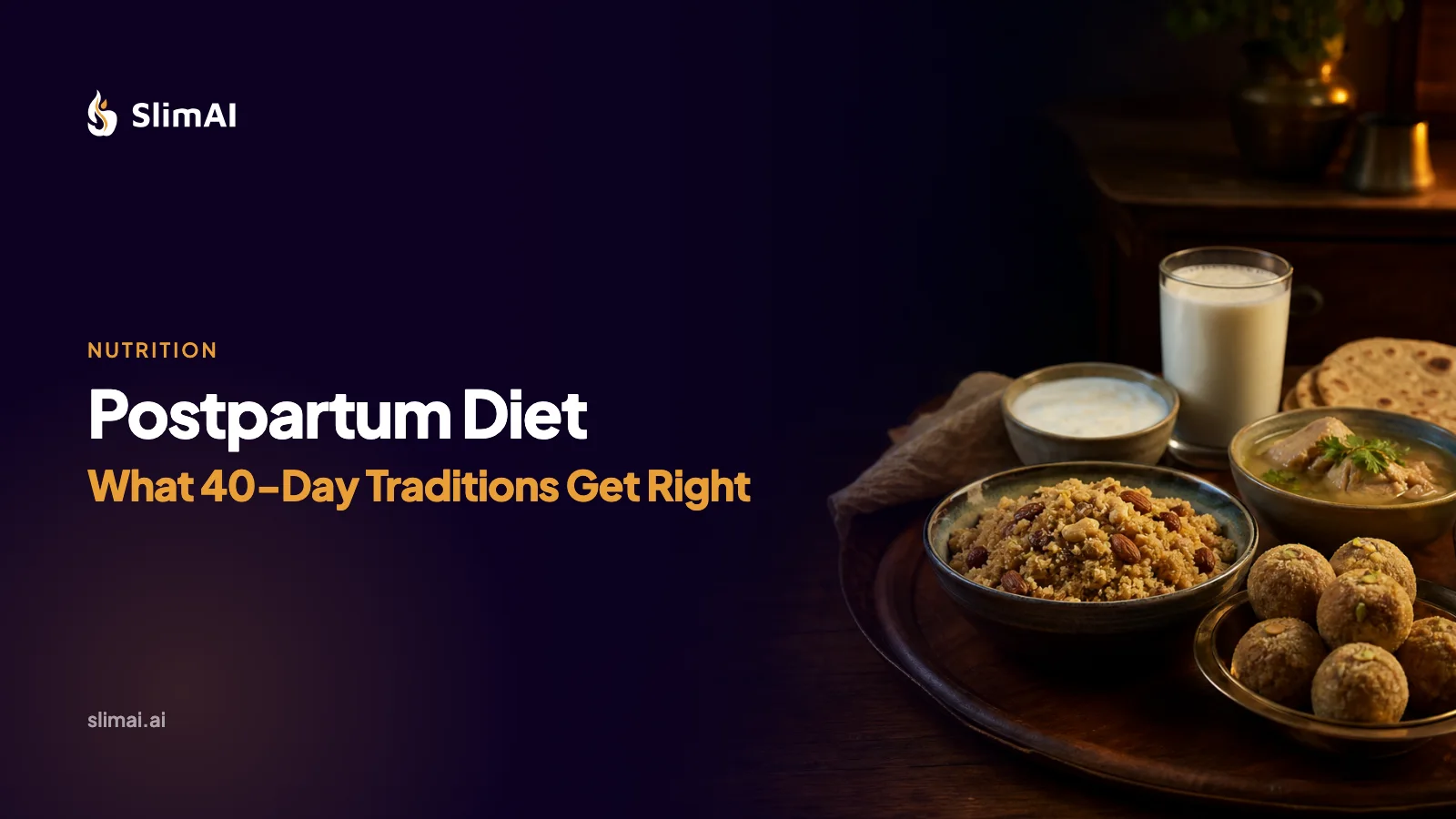
In many South Asian families, the first 40 days after birth are special. In Pakistan and North India it is called sawa mahina; others know it as chilla or jaapa. The new mother rests while mothers, mothers-in-law and aunts cook warm, rich foods meant to rebuild her strength. A good postpartum diet does exactly what these traditions intend: it gives you enough energy, protein, iron and fluids to heal and to breastfeed. Where it can go wrong is quantity.
This guide looks at what modern nutrition says a postpartum diet needs, what traditional confinement food gets right, and how to keep panjiri and laddoos without overshooting your calories. It is general information. Your doctor, midwife or a dietitian can tailor advice to you.
What your body needs after birth
After birth your body is healing tissue, rebuilding blood lost during delivery, and, if you breastfeed, making milk. A balanced postpartum diet covers:
- Energy: enough calories to heal and feel human on little sleep.
- Protein: for tissue repair. About 71 g a day is recommended while breastfeeding.
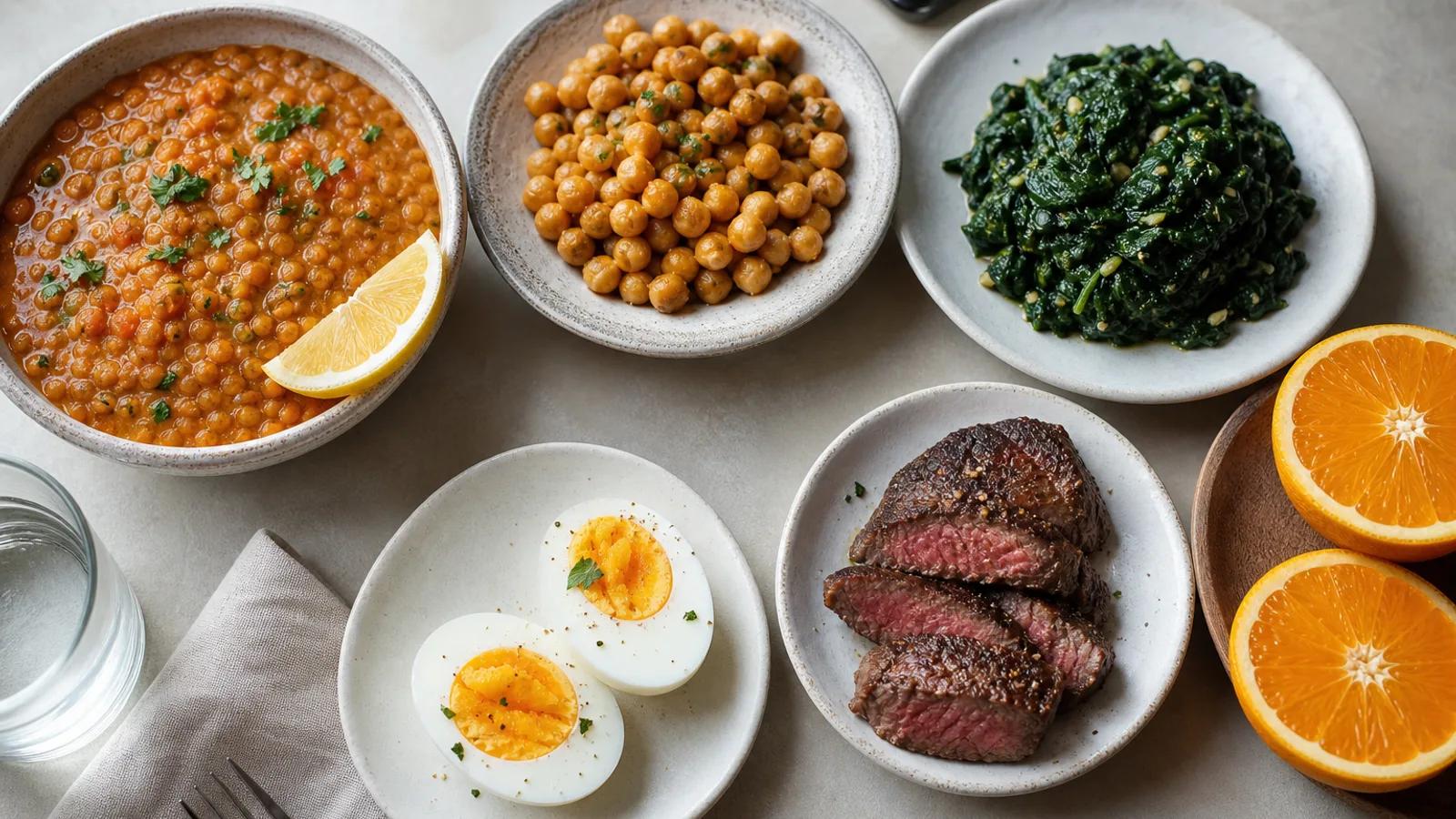
- Iron: blood loss at delivery can lower iron stores, and anemia makes fatigue worse. Our guide to iron-rich foods for anemia lists desi options.
- Fluids: especially while breastfeeding. Drink to thirst and keep water nearby during feeds.
- Fiber: constipation is common after birth, particularly after a C-section or with iron supplements.
- Calcium, iodine, vitamin D and omega-3s: from dairy, iodized salt, eggs, fish and any supplements your provider recommends.
How many calories do you need?
If you breastfeed, the US Dietary Guidelines suggest about 330 extra calories a day in the first six months and about 400 extra from six to twelve months, compared with before pregnancy. That is a bowl of daal and a roti, not double portions. Here is the full breakdown of how many calories breastfeeding burns.
If you are not breastfeeding, you need roughly what you ate before pregnancy.
Stop guessing what you ate.
Snap a photo and SlimAI does the rest — 10K+ downloads on iOS and Android.
3-day free trial · Cancel anytime · No card charged during trial
What traditional 40-day confinement gets right
Postpartum confinement traditions exist across the world, from China's "sitting the month" to Latin America's la cuarentena. A qualitative systematic review of traditional postpartum practices found common threads in many cultures: a defined rest period, special foods, help from family, and protecting the mother from cold and hard work. Many of these line up well with what new mothers need.
| Tradition |
Why it helps |
| Rest for about 40 days |
Matches the roughly six weeks the uterus and tissues need to recover |
| Family cooks for the mother |
Regular, warm meals when she has no time or energy to cook |
| Soups, yakhni and daal |
Easy to digest, hydrating, and a source of protein |
| Nuts and seeds in panjiri |
Healthy fats, minerals and a quick source of energy |
| Milk, lassi and yogurt |
Protein, calcium and fluids |
| Practical help with the baby |
More sleep and less stress, which support healing and mood |
These traditions also say something that modern advice sometimes forgets: a new mother should be looked after, not left to cope alone.
Where postpartum foods can overshoot
The challenge is not that traditional foods are "bad." It is that many are extremely energy-dense, and they are often served in large amounts, several times a day, with gentle (or not so gentle) pressure to eat more.
| Food |
Rough calories |
Why it adds up |
| Panjiri, ½ cup (about 60 g) |
Around 300 |
Flour roasted in ghee, plus sugar and nuts |
| Gond or dry-fruit laddoo, 1 medium |
Around 150–250 |
Ghee, sugar or jaggery, nuts |
| Ghee, 1 tablespoon |
About 120 |
Pure fat, often added on top of rich dishes |
| Glass of milk with ghee or nuts |
About 250–350 |
Extra fat on top of whole milk |
| Halwa, small bowl |
About 300–400 |
Ghee and sugar |
These are estimates; home recipes vary a lot. But the pattern is clear. Two laddoos, a bowl of panjiri and a spoon of ghee in your daal can easily add 700–900 calories a day, roughly double the extra a breastfeeding mother needs.
There is also little evidence for some beliefs behind these foods. For example, there is no good research showing that extra ghee increases milk supply. Milk supply depends mainly on how often and how well milk is removed, plus eating and drinking enough overall. A review of traditional practices also found little consistent evidence that confinement itself prevents postpartum depression, although the family support it brings is valuable.
A balanced postpartum diet with desi food
You do not have to choose between tradition and nutrition. Here is a simple way to combine both.
Build each meal around protein
- Breakfast: eggs with roti or paratha cooked in a little oil, or dalia with milk and nuts
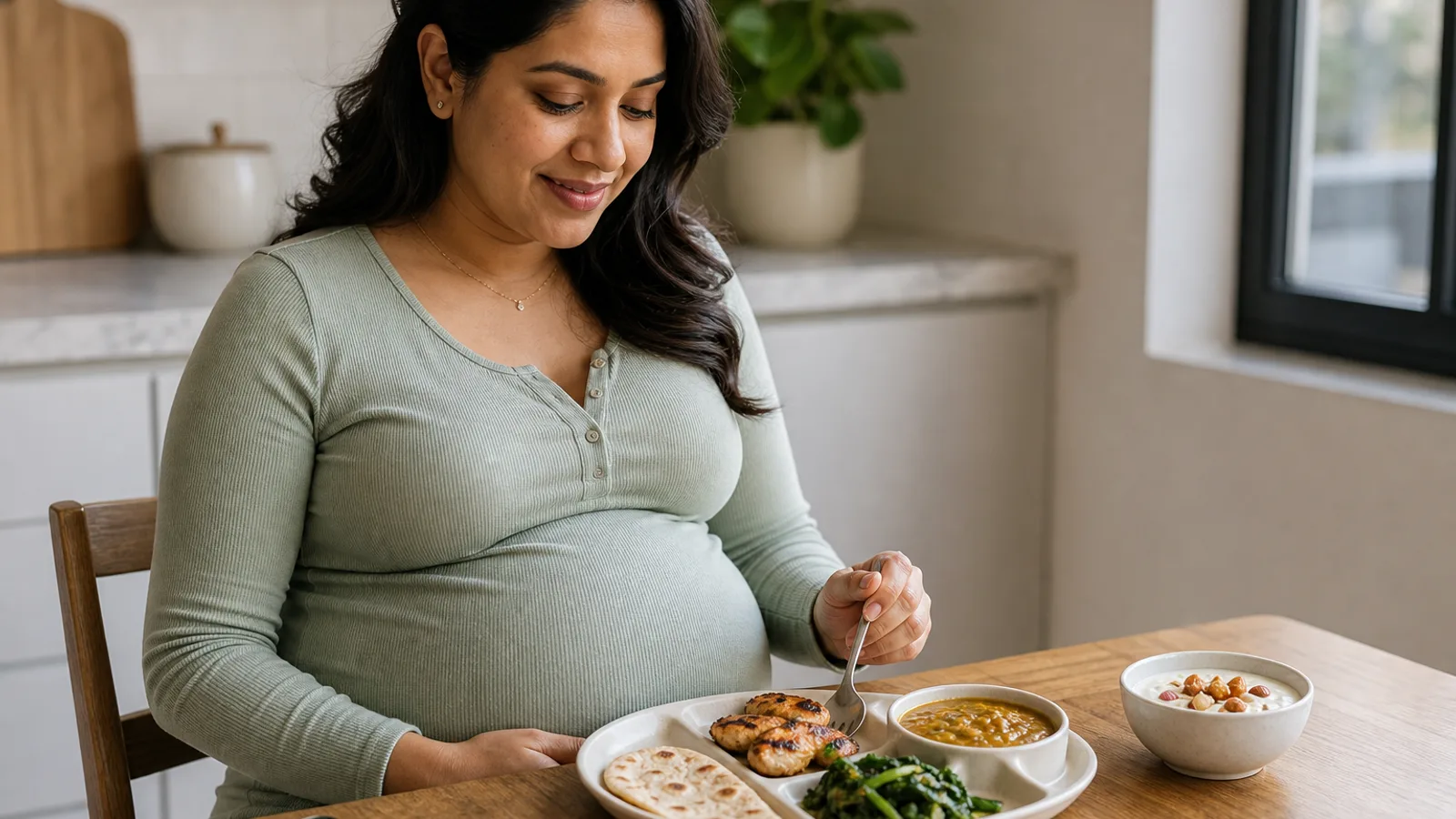
- Lunch: daal or chicken salan with roti or rice, plus a vegetable and yogurt
- Dinner: yakhni or chicken soup, fish or keema with vegetables, and roti
- Snacks: yogurt with fruit, a handful of nuts, roasted chana, milk or lassi
Keep one rich traditional food a day
Pick one portion of panjiri or one laddoo a day and enjoy it properly, instead of having them on repeat. If family members insist, a warm "I've already had my panjiri today" is easier than arguing about calories.
Use ghee for flavor, not as a supplement
A teaspoon on roti or in daal adds flavor. Extra tablespoons "for strength" mostly add calories.
Add color and fiber
Spinach (palak), methi, carrots, lentils, chickpeas and fruit help with constipation and add iron and vitamins.
Drink plenty
Water, soups, milk and lassi all count. Keep a bottle where you feed the baby.
If you want structure, the SlimAI meal plan generator includes a Desi cuisine option, so suggested meals use familiar dishes. Check with your provider before using any plan while recovering or breastfeeding.
After the 40 days
The end of sawa mahina is often when women start thinking about weight. Give yourself time. Most providers suggest waiting until after your postnatal check, and longer if breastfeeding is still settling. When you are ready, aim for slow loss of about 1 lb a week at most. Our guides to the postpartum belly and the C-section shelf explain why the belly changes slowly and what helps.
How SlimAI can help
SlimAI is a general calorie and macro tracker, not a postpartum or breastfeeding app, and it does not set postpartum targets for you. If you want to see how traditional foods fit your day:
- Snap a photo or describe the dish by voice or text, including mixed desi meals, then adjust the serving and ingredients, such as how much ghee went in.
- Choose "Maintain weight" while you recover. SlimAI Pro lets you set your own calorie and protein targets, for example the number your provider suggests.
- Track water and check weekly trends rather than individual days.
Conclusion
A healthy postpartum diet gives you enough energy, protein, iron and fluids to heal and to breastfeed. Traditional 40-day confinement, whether you call it sawa mahina, chilla or jaapa, gets a lot right: rest, warm food and family care. The part worth adjusting is quantity. Enjoy one portion of panjiri or a laddoo a day, build meals around protein and vegetables, keep ghee to flavor amounts, and remember that breastfeeding needs about 330–400 extra calories a day, not double portions.
Sources and References
- Dennis CL, Fung K, Grigoriadis S, et al. Traditional postpartum practices and rituals: a qualitative systematic review. Women's Health, 2007;3(4):487–502.
- Wong J, Fisher J. The role of traditional confinement practices in determining postpartum depression in women in Chinese cultures: a systematic review of the English language evidence. Journal of Affective Disorders, 2009;116(3):161–169.
- U.S. Department of Agriculture and U.S. Department of Health and Human Services. Dietary Guidelines for Americans, 2020–2025, Chapter 5: Women Who Are Pregnant or Lactating.
- Centers for Disease Control and Prevention. Maternal Diet and Breastfeeding.
- Institute of Medicine. Dietary Reference Intakes for Energy, Carbohydrate, Fiber, Fat, Fatty Acids, Cholesterol, Protein, and Amino Acids. National Academies Press, 2005.
This article is for general information and is not medical advice. Talk to your doctor, midwife or a dietitian about your diet after birth, especially if you are breastfeeding or have a health condition.
Put this into practice tonight
Log your next meal by photo, voice, or text and SlimAI fills in the calories and macros for you.
3-day free trial · Cancel anytime · No card charged during trial